Evening Gown Fabrics for Mature Skin
Table of Contents
- Best Fabrics for Evening Gowns and Formal Dresses
- Satin: Polished Elegance With Soft Sheen
- Chiffon: Lightweight Flowing Grace
- Lace and Guipure: Rich Texture and Dimension
- Crepe: Structured Drape That Flatters
- Comfortable Fabrics for Formal Wear You'll Wear All Night
- Best Colors for Mature Skin Tones and Undertones
- What to Wear Under an Evening Gown
- Frequently Asked Questions
Last Updated: October 17, 2026
Best Fabrics for Evening Gowns and Formal Dresses
Choosing the right evening gown fabrics mature skin requires is one of the most important decisions you'll make when selecting formal wear. The fabric determines not just how you look, but how you feel, whether you move with confidence or spend the night adjusting your dress. For mature skin, the right fabric can enhance your natural beauty, provide comfort through a long event, and create the elegant silhouette you're after.
At EllaVerra Boutique, we've learned that fabric choice matters far more than most shoppers realize. The best evening gown fabrics for mature skin balance competing needs: forgiving without looking frumpy, holding shape through hours of wear, and complementing the natural changes that come with age rather than fighting them.
Why Fabric Choice Matters for Mature Skin
The fabric you choose affects how light reflects off your skin, how the dress moves with your body, and whether you'll feel comfortable sitting, standing, and dancing for hours. Mature skin benefits from fabrics with natural sheen without being overly reflective, that drape smoothly without clinging, and that breathe so you don't overheat.
Certain fabrics also age more gracefully throughout the evening. A fabric that wrinkles easily will look tired by the end of dinner, and one that's too stiff moves awkwardly. The best fabrics for formal wear combine structure with fluidity, holding their shape while moving naturally with your body.
Satin: Polished Elegance With Soft Sheen
Satin is one of the most flattering fabrics for mature skin because it catches light in a way that's both elegant and forgiving. Its natural sheen reflects light softly, helping smooth the appearance of fine lines and create dimension on your face. Unlike high-gloss fabrics that can look harsh, satin feels sophisticated without being overdone.
Weight matters significantly. Medium-weight satin holds its shape beautifully and doesn't cling in unflattering ways, draping with a gentle flow that skims the silhouette rather than hugging every curve. This makes it ideal for structured evening gowns, like fitted bodices that taper at the waist before flowing into an A-line skirt.
One honest limitation: satin can be slippery, which means it requires careful tailoring and often needs a slip or lining underneath to prevent shifting. It also requires dry cleaning to maintain its finish. The American Cleaning Institute guidelines recommend professional care for delicate formal fabrics like satin to preserve their appearance and longevity.
EllaVerra Boutique's Scarlet Elegance Off-Shoulder Satin Gown ($198.00) demonstrates how well satin works for formal occasions. The luxe satin fabric catches light for a soft, elegant sheen, while the off-shoulder draped sleeves and ruched bodice create flattering definition without looking tight or uncomfortable. The full A-line skirt falls with graceful movement, making it perfect for galas and formal dinners.
Chiffon: Lightweight Flowing Grace
Chiffon is the fabric of choice when you want movement and flow without weight. It's light, breathable, and creates an ethereal quality that photographs beautifully. For mature skin, chiffon is forgiving because it doesn't cling, moving gently with your body rather than emphasizing every contour.
The key to wearing chiffon successfully is understanding that it needs structure underneath. Chiffon alone is sheer, so formal gowns pair it with a satin or silk lining that provides opacity and support. This layering is what makes chiffon gowns so elegant, the outer layer floats while the inner layer sculpts.
Chiffon also wrinkles less than many people expect, especially layered over a structured lining.
The Elegant flow Gown ($149.99) from EllaVerra Boutique features pleated lightweight chiffon over a soft satin lining. The draped halter neckline and wide gathered waistband create definition while the pleated skirt falls into yards of weightless fabric. The gown is designed to move like water, which means you can dance and move freely without feeling restricted. For outdoor and garden weddings, chiffon is particularly flattering because natural light passes through it beautifully.

Lace and Guipure: Rich Texture and Dimension
Lace adds dimension and visual interest to an evening gown in ways solid fabrics cannot. Its texture catches light differently across the surface, creating depth and movement even when you're standing still. For mature skin, this is tremendously flattering because it draws the eye to the intricate pattern rather than to skin texture.
Guipure lace, in particular, is structured and sculptural. Unlike delicate laces that are purely decorative, guipure has body and definition, holds its shape beautifully, and doesn't require as much lining or support underneath. Its circular cutwork and scalloped hems create elegant movement with every step.
The practical advantage of lace is that it's often naturally wrinkle-resistant and durable.
The Soraya Gown ($165.00) features a liquid-satin halter bodice paired with a sculptural guipure lace skirt. The circular cutwork is finished with a scalloped, fringed hem that moves beautifully with every step. This combination of structure and texture creates old-money elegance that feels effortless and sophisticated. The gown is designed for women who don't need to try too hard, the lace does the talking.

Crepe: Structured Drape That Flatters
Crepe earns its place in a mature-skin wardrobe because of how it is built. Most crepe is woven from tightly twisted yarns in alternating directions, giving it a fine pebbled texture and memory: it returns to shape after being stretched, sat on, or packed. That's why crepe gowns still look pressed at the end of a long reception while softer fabrics collapse into lap creases.
The texture is the mature-skin advantage. A flat, high-shine fabric acts like a mirror and bounces light off every contour; crepe's low-luster, slightly granular surface scatters light instead, softening fine lines, crepey texture on the arms and décolletage, and unevenness in the skin. It reads as expensive and understated, so the eye goes to the silhouette and face rather than the fabric's glare.
Weight is the variable to shop by. Lightweight crepe (crepe de chine) drapes like liquid and suits bias-cut slips and column gowns, but shows lumps and lines more readily and needs a smooth foundation underneath. Medium-weight crepe is the sweet spot: heavy enough to skim the body without clinging, structured enough to hold a ruched waist or portrait neckline, and fluid enough to walk and dance in. Heavy crepe holds architectural shapes but can feel warm indoors with poor air circulation.
For sensitive or fragile skin, crepe is one of the safer choices because the surface is smooth rather than scratchy, and it doesn't snag on rings, watches, or textured hosiery the way lace and tulle can. Check the seam allowance and lining: a well-made crepe gown uses a smooth silk or quality acetate lining and finishes interior seams so they don't rub under the arm or across the waist. If you're sensitive to wool, confirm fiber content, since some crepe is wool-based and some polyester or a blend.
Practical trade-offs are real. Crepe resists wrinkling better than satin or chiffon. It can develop shine at high-friction points like the seat and inner elbows after repeated wear, and generally wants dry cleaning to protect the twist of the yarn. Static is usually mild compared with polyester satin, but a lining helps. Store crepe on a padded hanger rather than folded, since sharp folds can set into the texture.
Fit note for mature skin: crepe has little natural stretch unless it is blended with elastane, so choose a cut with ease through the waist and upper arm rather than relying on the fabric to give. A crepe gown that fits with a little room moves better and looks more polished than one that is tight and pulling at the seams.
Comfortable Fabrics for Formal Wear You'll Wear All Night
Most fabric guides stop at how a gown looks in the mirror. The real test is hour four: are you overheating, is the bodice digging in, is the lining scratching, are you tugging at a strap? For mature skin, comfort is the difference between enjoying the event and enduring it. Here are the practical variables that determine whether a gown still feels good at the end of the night.
Breathability and temperature. Natural fibers generally breathe better than synthetic ones. Silk, wool crepe, and cotton-blend linings let moisture and heat move away from the body, while polyester satin and heavy synthetic brocade trap heat, especially under stage lights, in crowded ballrooms, or at summer weddings. If you run warm or face uncertain air conditioning, favor silk crepe, chiffon over a breathable lining, or lightweight wool crepe, and treat heavy synthetic satin and densely beaded fabrics as cooler-weather choices. Many women who attend frequent formal events keep one breathable gown for warm months and one richer fabric for cool ones.
Lining is the hidden comfort variable. The outer fabric gets the attention, but the lining touches your skin for hours. A smooth silk or high-quality acetate lining glides over the body, reduces friction at the waist and underarms, and helps the outer fabric hang cleanly. A cheap, stiff polyester lining is the most common cause of a gown that looks beautiful on the hanger and feels clammy or scratchy by dinner. Turn the gown inside out and check: the lining should feel smooth against the back of your hand, with finished rather than raw or bulky seams.
Seams, tags, and pressure points. Sensitive or fragile skin notices what construction hides. Check the underarm seams, waist seam, and neckline edge for bulk or scratchiness, and remove or relocate care tags before wearing. Boning in a corset bodice can be flattering and supportive, but poorly finished tips can press into the ribs or waist when you sit. Soft, covered boning and a smooth inner facing feel dramatically better over a long evening than exposed channels.
Stretch and ease of movement. A gown needs enough give to sit, climb stairs, dance, and raise your arms without strain. Fabrics with natural stretch (crepe blends with a little elastane, jersey-backed silks) or designs with bias cuts and godets provide movement without constant adjustment. Rigid fabrics like heavy duchesse satin or structured brocade can be stunning but demand a precise fit and are less forgiving if your weight fluctuates or you're between sizes.
Static, cling, and slip. Synthetic fabrics and dry indoor air are a recipe for static, which makes a gown cling to hosiery and ride up. A silk slip or a lining with some natural fiber reduces static and helps the skirt fall cleanly. Anti-static spray is a short-term fix; the lining is the long-term one. For sheer or lightweight fabrics, a slip also prevents clinging and improves the drape.
Weight and support. A heavily beaded or layered gown can weigh several pounds, tiring across a long event and pulling at the shoulders. If you love embellishment, look for it concentrated on the bodice with a lighter skirt, or choose a gown with internal support (a boned bodice, wide straps, or a defined waistband) so the garment carries the weight rather than your shoulders.
A practical try-on test. Before committing, wear the gown for at least twenty minutes at home: sit, stand, walk up and down stairs, raise your arms, and bend at the waist. Check for pulling at the seams, digging at the waist, scratchiness at the neckline, and heat buildup. This short test catches most comfort problems that only show up after hours of wear.
| Comfort Factor | What to Look For | What to Avoid |
|---|---|---|
| Breathability | Silk, wool crepe, breathable linings | Heavy synthetic satin in warm venues |
| Lining | Smooth silk or quality acetate, finished seams | Stiff polyester, raw or bulky seams |
| Movement | Bias cuts, godets, slight stretch | Rigid fabrics with no give in a tight fit |
| Static and cling | Silk slip, natural-fiber lining | Synthetic lining in dry conditions |
| Weight and support | Internal boning, wide straps, balanced embellishment | Heavy beading carried by the shoulders |
Best Colors for Mature Skin Tones and Undertones
The color of your evening gown matters as much as the fabric. The right color can make your skin appear radiant, while the wrong color can wash you out or make you look tired. For mature skin, understanding your undertone is the key to finding colors that enhance rather than diminish your natural beauty.
If you have warm undertones, you'll look best in ivory, cream, champagne, warm gold, rust, terracotta, and jewel tones like sapphire and emerald. These colors harmonize with your natural coloring and make your skin appear luminous, pairing beautifully with the soft sheen of satin or the rich texture of lace.
If you have cool undertones, pure white, silver, cool grays, jewel tones like amethyst and sapphire, and cool reds will be most flattering. Cool colors create striking contrast that makes your complexion appear brighter and more defined. Navy and midnight blue are particularly flattering and pair beautifully with structured fabrics like crepe.
The Azure Elegance Pleated Maxi Gown ($99.99) features a striking blend of royal blue, turquoise, and soft yellow tones. This multicolor approach works beautifully for women with warm undertones who want to wear blue. The combination of colors creates visual interest and depth that a solid color cannot achieve.
Research from color psychology studies in fashion shows that wearing colors that harmonize with your natural coloring increases confidence and presence. When your gown color complements your skin tone, you don't have to think about how you look, you can focus on enjoying the event.
What to Wear Under an Evening Gown
What you wear underneath your gown is just as important as the gown itself. The right undergarments create a smooth silhouette, prevent shifting, and keep you comfortable and confident all night.
For gowns with deep necklines or open backs, adhesive bra cups or fashion tape are essential. These allow you to wear the gown as designed without worrying about wardrobe malfunctions. Many formal gowns, including the Cream Floral Tiered Chiffon Maxi ($89.00), recommend adhesive bra cups for the deep V neckline.
Shapewear creates a smooth foundation and can make you feel more comfortable and confident. Choose shapewear that targets the areas where you want support without creating visible lines. For most formal gowns, seamless, high-waisted shapewear works best.
A slip or camisole under sheer fabrics like chiffon prevents the gown from clinging to your body and ensures opacity. Many formal gowns come with built-in slips, but if yours doesn't, a silk slip underneath will protect the gown and improve how it drapes.
Hosiery is a personal choice, but many women find that sheer hosiery in a neutral tone creates a polished appearance and provides a layer of comfort. For gowns with open-toe shoes, bare legs are also elegant if that's your preference.
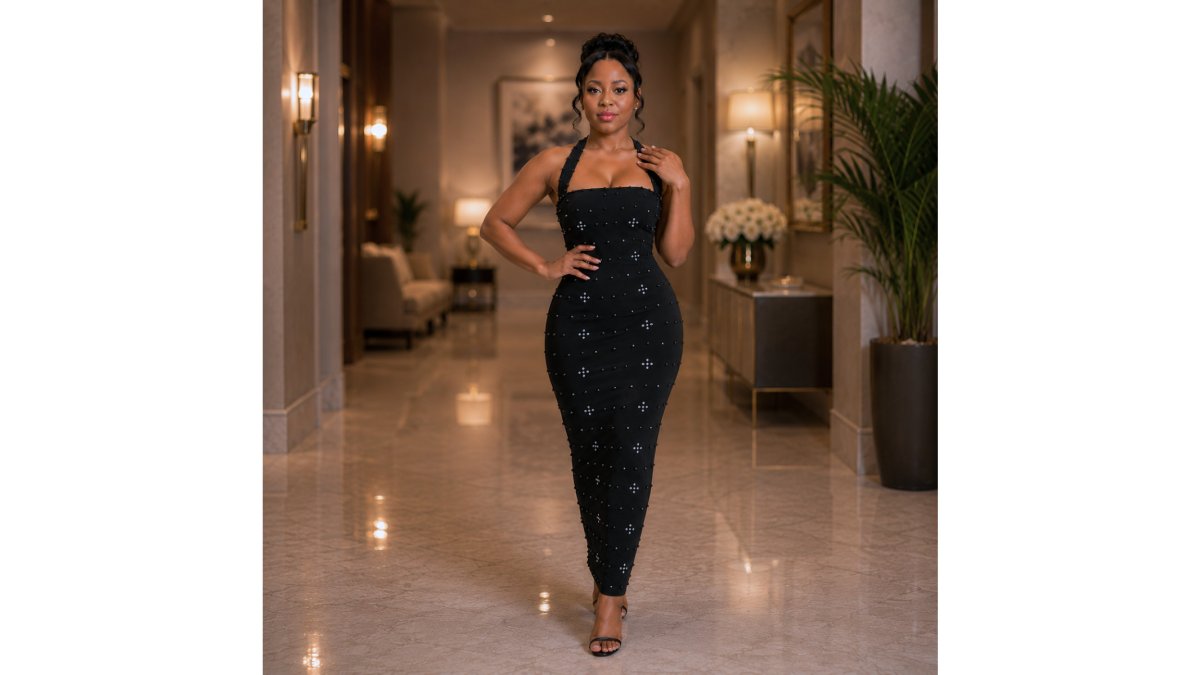
The Ondine Gown ($195.00) features a structured, boned corset bodice with hand-set pearls throughout. This gown provides excellent support on its own, so undergarments can be minimal, just a smooth slip and perhaps light shapewear if you prefer additional support.

Choosing the best evening gown fabrics mature skin needs means prioritizing both beauty and comfort. Satin, chiffon, lace, and crepe each offer distinct advantages: satin for its elegant sheen, chiffon for its flowing grace, lace for its textured dimension, and crepe for its structured drape. The right fabric, a color that harmonizes with your undertone, and supportive undergarments create a foundation for an evening where you feel confident and elegant.
EllaVerra Boutique's collection of evening gowns is designed with mature women in mind, combining quality fabrics with thoughtful construction so every piece feels as beautiful as it looks. Whether you're attending a wedding, gala, or milestone celebration, browse our collection and discover the perfect fabric and style for your next event, because every woman deserves to feel radiant when she walks into the room.
Frequently Asked Questions
What fabrics work best for evening gown fabrics for mature skin?
Satin, chiffon, crepe, and lace are ideal for mature skin because they offer soft sheen, graceful drape, and light-reflecting finishes that enhance complexion. Satin provides polished elegance with a subtle glow, while chiffon offers weightless movement. Crepe holds structure without clinging, and lace adds dimension and richness. These fabrics prioritize comfort and flattering silhouettes over trend-driven styles.
Which fabrics are most comfortable for formal wear during long events?
Chiffon, crepe, and silk blends are most comfortable for extended wear. Chiffon is breathable and lightweight, allowing air circulation without restriction. Crepe has natural stretch and recovery, preventing wrinkles and maintaining comfort. Silk blends offer breathability and temperature regulation. Avoid stiff polyester blends; instead, choose fabrics with natural fibers or quality synthetics that move with your body.
What colors flatter mature skin tones best in evening gowns?
Jewel tones like emerald, sapphire, and deep plum complement warm undertones, while ivory, champagne, and rose gold suit cool undertones. Navy and burgundy are universally flattering. Rich jewel tones enhance skin luminosity and create contrast that defines features. Avoid colors with yellow undertones if you have cool skin, and steer clear of ashy grays if you have warm undertones. Test colors in natural light before purchasing.
What should you wear under an evening gown for support and comfort?
Wear a seamless, high-waisted slip or shapewear designed for formal wear to smooth lines and provide support without visible panty lines. For gowns with deep necklines, adhesive bra cups or fashion tape offer discreet support. Choose breathable fabrics like nylon or spandex blends to prevent overheating during long events. Ensure undergarments match your gown color and don't create bulk under fitted bodices.
How do I know if an evening gown fabric will look expensive and elegant?
Quality fabrics have a luxurious hand feel, natural sheen, and weight that drapes smoothly. Satin with a soft glow, crepe with structured drape, and lace with intricate detail all signal quality. Avoid thin, stiff fabrics that wrinkle easily or feel plastic-like. Look for gowns with fully lined skirts, finished hems, and constructed bodices. EllaVerra's gowns feature premium satin, quality chiffon, and hand-set embellishments that deliver elegance at accessible price points.