How to Choose Modest Bridesmaid Dresses for Formal Weddings
Table of Contents
- Step 1: Define What Modest Means for Your Wedding
- Step 2: Select Modest Bridesmaid Dress Necklines That Flatter
- Step 3: Choose Appropriate Sleeve Lengths and Coverage
- Step 4: Determine the Right Hemline for Formal Attire
- Step 5: Select Fabrics That Create an Elegant Silhouette
- Step 6: How to Style Modest Bridesmaid Dresses for Impact
- Step 7: Address Body Type Considerations and Flattering Fits
- Step 8: Communicate Dress Code and Modest Evening Gowns for Mature Women
- Step 9: Budget-Friendly Alterations and Final Checks
- Frequently Asked Questions
Last Updated: October 2, 2026
Step 1: Define What Modest Means for Your Wedding
Modest bridesmaid dresses don't have a single definition. What feels modest to one bride might feel too covered to another. The key is deciding what modest means for your specific wedding and your bridesmaids' comfort levels.
Start by thinking about coverage. Modest typically means necklines at or above the collarbone, sleeves covering the shoulders (cap sleeves, three-quarter sleeves, or full sleeves), hemlines at or below the knee or floor-length for formal events, and fabrics that drape rather than cling.
At EllaVerra Boutique, we help brides navigate this choice by connecting aesthetic vision with practical comfort. Ask yourself: What level of coverage feels right for your celebration? Are you drawn to sleek, modern modest styles or romantic, layered designs? Consider your wedding's formality level too, a black-tie gala calls for different modest styling than a garden ceremony.
Step 2: Select Modest Bridesmaid Dress Necklines That Flatter
The neckline is the first thing people notice on a dress. For modest bridesmaid attire, you have several flattering options that provide coverage while creating visual interest.
High necklines sit at or above the collarbone and work beautifully for formal weddings, offering maximum coverage. A gathered high neck creates soft, romantic lines, while a structured high neck reads as modern and sophisticated.
Scoop necks that sit lower on the chest but still cover the collarbone offer a balanced approach. They feel less formal than high necklines but still modest and work well for bridesmaids of different body types.
Off-shoulder necklines can be modest when they sit on the shoulders without exposing the collarbone or décolletage. An off-shoulder style with draped sleeves provides coverage while feeling elegant and current.

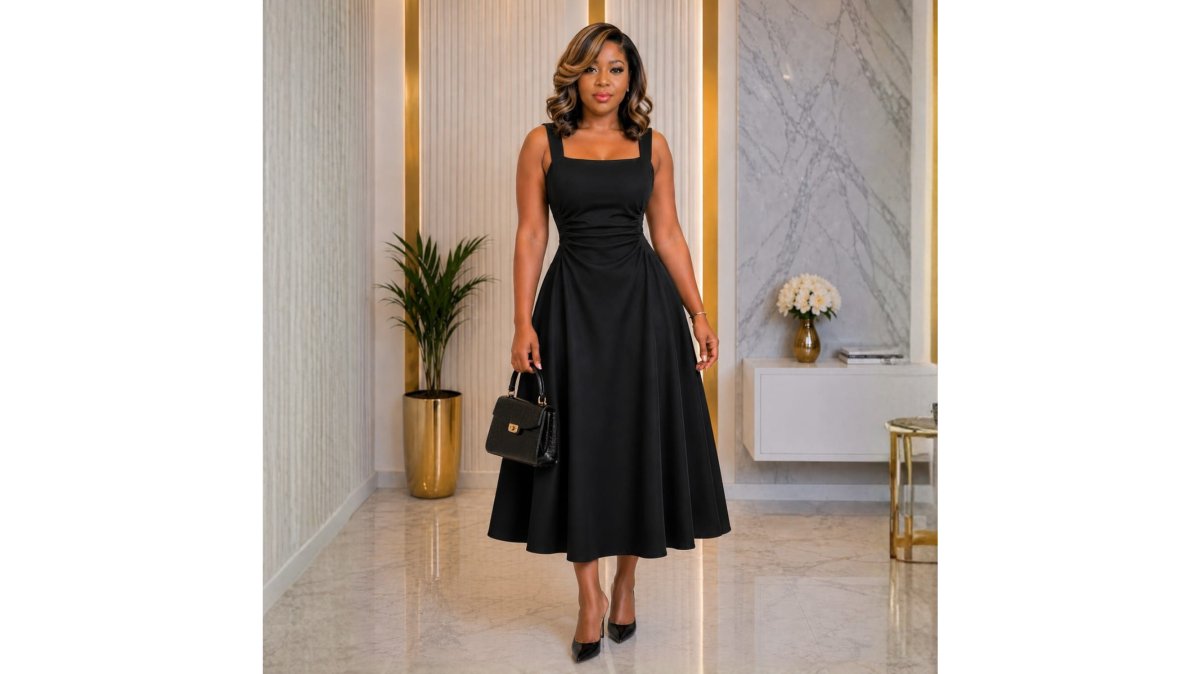
Square necklines sit just below the collarbone and create a clean, structured look, working especially well for formal events.
Avoid necklines that dip below the collarbone for truly modest styling. V-necks and deep scoop necks expose the chest in ways that conflict with modest design.
Step 3: Choose Appropriate Sleeve Lengths and Coverage
Sleeves are essential for modest bridesmaid dresses. They provide coverage, create visual balance, and add sophistication to formal wear.
Cap sleeves sit at the shoulder and extend 2-3 inches down the arm. They're modest, feminine, and work for most body types. Three-quarter sleeves extend to mid-forearm and feel dressy and formal, perfect for evening galas. Full-length sleeves provide maximum coverage and create a sophisticated, timeless look. Batwing sleeves are relaxed and flowing, offering coverage while feeling modern and comfortable.
Sleeveless options aren't truly modest, but you can make them work by pairing them with a modest neckline and having bridesmaids wear shawls, wraps, or jackets during the ceremony.
Step 4: Determine the Right Hemline for Formal Attire
Hemline choice signals formality and creates the overall silhouette of your bridal party. For modest bridesmaid dresses at formal events, hemline matters as much as neckline.
Floor-length gowns are the standard for black-tie and formal evening weddings, creating an elegant, timeless look. Midi dresses (hitting mid-calf or just above the ankle) work for semi-formal and formal daytime weddings and feel modern while maintaining elegance. Knee-length dresses suit garden weddings and less formal events. Asymmetrical hemlines add visual interest while maintaining modesty.
For formal evening weddings, floor-length is the safest choice. Pair your hemline choice with the dress silhouette, A-line skirts look graceful at any length, while fitted column silhouettes look most elegant floor-length.
Step 5: Select Fabrics That Create an Elegant Silhouette
Fabric choice determines how a modest bridesmaid dress looks and feels. The right fabric elevates a simple neckline into something sophisticated.
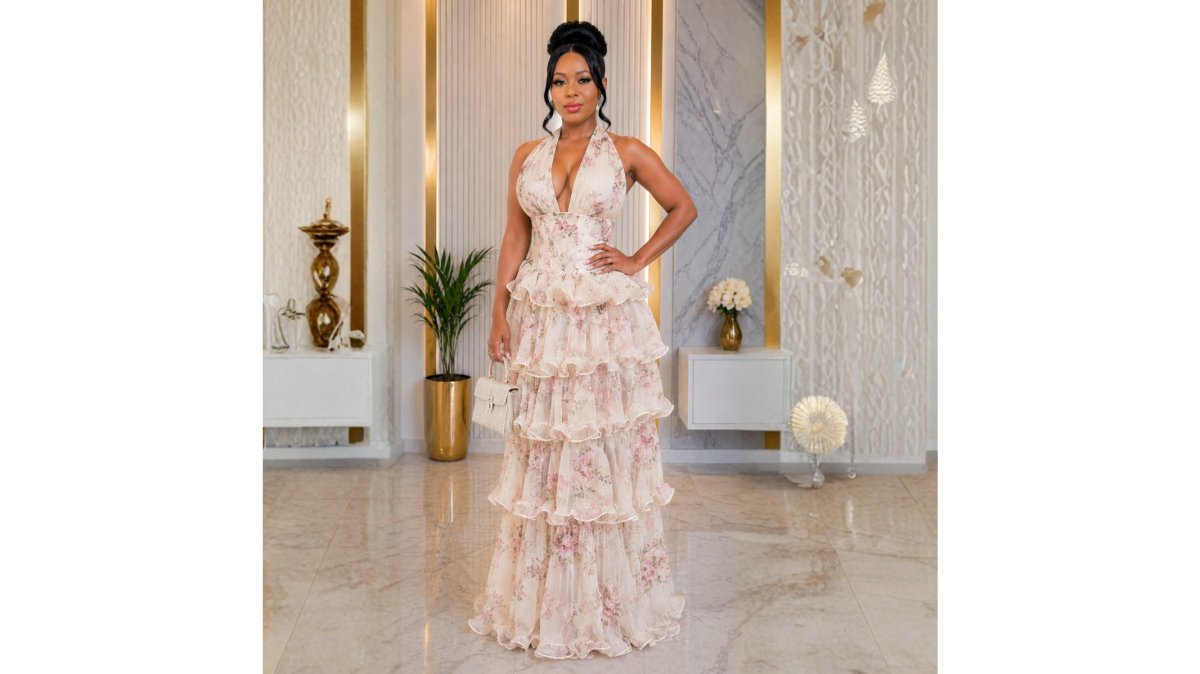
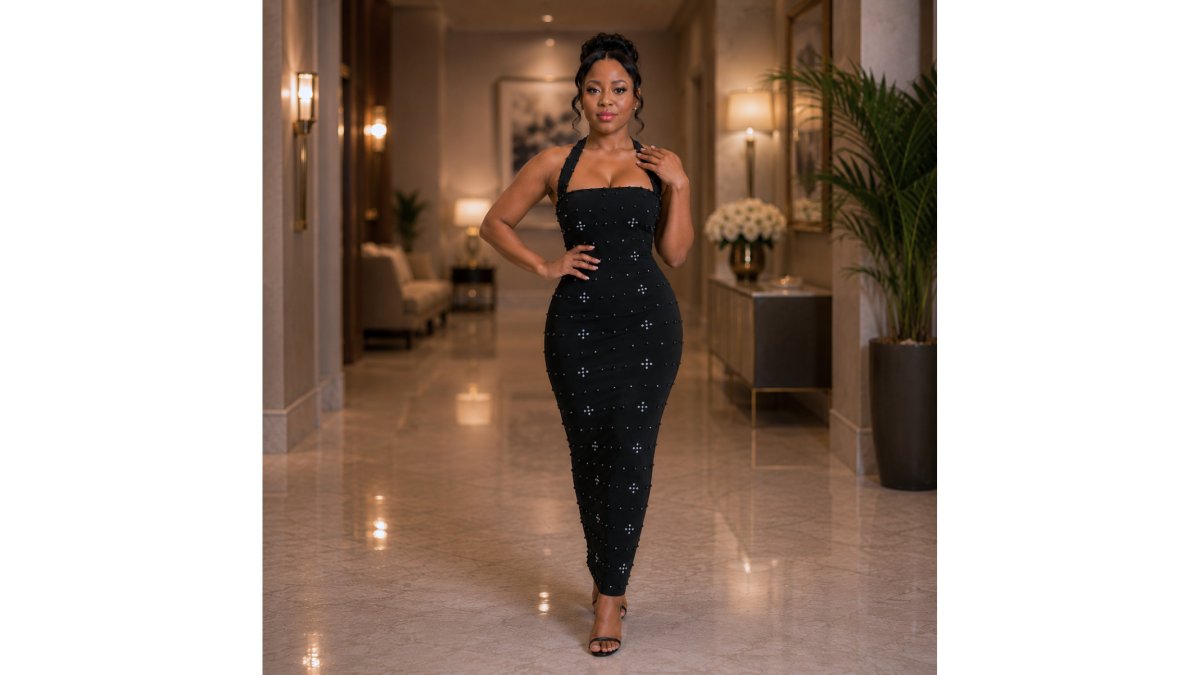
Satin creates a luxe, formal look and drapes beautifully. The Soraya Gown features liquid satin that creates an elegant silhouette with its gathered high neckline and open back. Chiffon is light and flowing, perfect for romantic modest styles. Lace overlays add texture and sophistication to modest necklines. Stretch fabrics provide comfort and flattering fit, the Midnight Luxe Beaded Column Gown uses premium stretch fabric for comfort and style. Pleated fabrics create movement and visual interest. The Azure Elegance Pleated Maxi Gown features finely pleated texture that creates a refined finish while maintaining elegant coverage.
Avoid thin, clingy fabrics for modest dresses. Choose fabrics with enough weight to drape and structure. Light fabrics feel appropriate for daytime events, while heavier fabrics feel more formal for evening celebrations.
Step 6: How to Style Modest Bridesmaid Dresses for Impact
A modest dress needs thoughtful styling to create impact. Statement jewelry elevates a modest neckline, a dramatic necklace, chandelier earrings, or layered bracelets draw attention upward and add glamour. Structured handbags add polish, while heels and footwear matter for formality. Updos and hair styling showcase necklines beautifully. Wraps and jackets add dimension, and belts and waist definition create shape. The Scarlet Elegance Off-Shoulder Satin Gown features a ruched waist that defines the silhouette beautifully.

Avoid over-styling. A modest dress with too many accessories feels cluttered. Choose 2-3 statement pieces and let the dress shine.
Step 7: Address Body Type Considerations and Flattering Fits
Modest bridesmaid dresses should flatter different body types. Pear-shaped bridesmaids benefit from A-line skirts that balance wider hips with fitted bodices and high necklines. Apple-shaped bridesmaids look best in empire waist or wrap styles with flowing fabrics. Hourglass bridesmaids can wear fitted modest dresses that emphasize their natural curves. Rectangle-shaped bridesmaids benefit from dresses that add dimension through pleated skirts or layered fabrics. Petite bridesmaids need proportional dressing with shorter hemlines and fitted silhouettes. Tall bridesmaids can wear floor-length gowns that showcase their height.
The Azure Elegance Pleated Maxi Gown features a relaxed fit with an adjustable waist tie, allowing bridesmaids to define their silhouette in ways that feel flattering to their body type. Mismatched bridesmaid dresses in the same color but different silhouettes can work beautifully for modest styling, with each bridesmaid wearing a style that flatters her body type while maintaining visual cohesion through color and formality level.

Step 8: Communicate Dress Code and Modest Evening Gowns for Mature Women
Clear communication prevents confusion and ensures your bridesmaids feel confident. Vague dress codes create stress; specific guidelines prevent costly ordering mistakes.
Create a detailed dress code guide that goes beyond general principles. Instead of saying "modest neckline," specify exactly what you mean:
Example dress code template to share with bridesmaids:
"For our wedding, modest bridesmaid dresses mean: (1) Necklines at or above the collarbone, high necklines, scoop necks, or boat necks work beautifully; (2) Sleeves required, cap sleeves (minimum 2 inches), three-quarter sleeves, or full-length sleeves; (3) Hemline at or below the knee for daytime, floor-length for evening; (4) Fabrics that drape rather than cling, satin, chiffon, structured blends; (5) No sheer fabrics without lining or underlayers; (6) Color palette: [specify exact colors, e.g., 'dusty rose, blush, or champagne']; (7) Budget: $150-$250 per dress (I'm covering alterations / offering a $50 subsidy)."
Share visual references with specificity. Send 3-5 photos labeled with what works:
- "YES: This high-neck satin gown with cap sleeves"
- "YES: This scoop-neck chiffon with three-quarter sleeves"
- "NO: This dress has a neckline that dips below the collarbone"
- "NO: This is sleeveless without a planned wrap"
Set clear deadlines and checkpoints:
- Week 1-2: Share dress code guide and budget
- Week 4-6: Bridesmaids send you photos of dresses they're considering (for approval before ordering)
- Week 8-10: Dresses ordered and delivery confirmed
- Week 12: Final fittings and alterations scheduled
- Week 14-15: Final dress checks and walk-throughs
For mature bridesmaids, modest gowns often feel more age-appropriate and flattering than trendy styles. Mature women frequently prefer floor-length gowns that feel formal and elegant, structured fabrics that provide support and shape, necklines offering coverage without feeling matronly (high boat necks, modest scoops, or structured mock turtlenecks), sleeves providing arm coverage, and rich colors like jewel tones or deep neutrals over pastels. Modest evening gowns for mature women should feel sophisticated and intentional, a high neckline paired with luxe fabric, expert tailoring, and flattering silhouette creates elegance that works at any age.
Address budget concerns directly. If you're asking bridesmaids to wear modest dresses (which often cost more due to added fabric and construction), acknowledge the financial ask. Options include covering the full dress cost, offering a $50-$100 subsidy, providing a curated list of dresses at specific price points, or allowing bridesmaids to rent modest dresses instead of buying.
Send a sample communication message:
"Hi [Bridesmaid Name],
I'm so excited to have you in my wedding! I'd love our bridesmaid dresses to reflect the formal elegance of the day while honoring my personal style, which means modest coverage. Here's what that looks like: [insert specific neckline, sleeve, and hemline requirements]. I've attached photos of dresses I love as examples. The budget is $150-$250, and I'm happy to help you find options in your size and style. Can you send me a photo of any dress you're considering before ordering? That way we can make sure it's a great fit for the wedding. Alterations are included in the budget, and I've scheduled a final fitting for [date]. Let me know if you have questions!"
Step 9: Budget-Friendly Alterations and Final Checks
Alterations are essential for modest bridesmaid dresses. The right alterations transform a dress that's "close" into one that meets your modesty standards and fits each bridesmaid perfectly.
Understand the full cost of modest alterations. Budget-conscious brides often underestimate alteration expenses. Here's a realistic breakdown:
| Alteration | Typical Cost | Timeframe |
|---|---|---|
| Hemming (floor-length to midi or knee) | $40-$80 | 1-2 weeks |
| Taking in or letting out seams (waist, bust, or sides) | $50-$100 | 1-2 weeks |
| Adding sleeves to sleeveless dress | $80-$150 | 2-3 weeks |
| Raising or lowering neckline | $60-$120 | 2-3 weeks |
| Shortening sleeves (cap to three-quarter, etc.) | $30-$60 | 1 week |
| Taking in waistband or adding darts for fit | $25-$50 | 1 week |
| Adding internal bra cups or support | $40-$80 | 1-2 weeks |
| Adding lining or underlayer for sheer fabric | $50-$100 | 2 weeks |
| Taking in or letting out shoulder seams | $50-$100 | 2-3 weeks |
Total realistic alteration budget per bridesmaid: $100-$250. If you're asking bridesmaids to wear modest dresses, factor this into your dress budget or offer to cover alterations.
Common modest-specific alterations:
Adding sleeves to sleeveless dresses is one of the most requested modifications for modest weddings. A tailor can add cap sleeves (2-3 inches), three-quarter sleeves, or full-length sleeves with custom construction. Cost: $80-$150. Timeframe: 2-3 weeks. This alteration requires a skilled tailor.
Raising necklines works for dresses that are otherwise perfect but have a neckline that's too low. A tailor can add fabric to raise the neckline by 1-3 inches, add a modest overlay or lace panel, or reconstruct the neckline entirely. Cost: $60-$120. Timeframe: 2-3 weeks.
Adding lining or underlayers to sheer fabrics ensures modesty without replacing the dress. A tailor can add full lining to a sheer skirt, underlay to a sheer bodice, or modesty panels in strategic areas. Cost: $50-$100. Timeframe: 2 weeks. This is often the most cost-effective way to make a sheer dress modest.
Finding the right tailor for modest alterations:
Not all tailors understand how to maintain the integrity of a dress while adding modest coverage. Look for formal wear specialists, tailors with experience in modest or religious garments, reviews mentioning complex alterations, and turnaround times of 2-3 weeks minimum. Get quotes from at least two tailors before committing.
Budget-friendly alteration strategies:
1. Choose dresses that need minimal alterations. A dress that's 90% perfect needs only hemming and fit adjustments ($50-$100). A dress that needs sleeves added and neckline raised costs $140-$270 in alterations.
2. Prioritize alterations that affect modesty. Spend money on alterations that change coverage (adding sleeves, raising necklines, adding lining) rather than cosmetic changes.
3. Consider group discounts. Some tailors offer discounts for multiple bridesmaids. If five bridesmaids use the same tailor, ask about a 10-15% group rate.
4. Plan ahead to avoid rush fees. Rush alterations cost 25-50% more. A 4-6 week alteration timeline keeps costs reasonable.
5. Explore DIY options for simple fixes. Hemming and lining a skirt are beginner-friendly alterations. Save tailor time (and money) for complex work.
Cultural and religious modification guidance:
Many modest dress requests are rooted in specific cultural or religious requirements. Understanding these nuances helps you communicate expectations clearly and respect your bridesmaids' values.
Islamic modesty standards often require necklines at or above the collarbone, sleeves to the wrist, hemlines to the ankle, loose non-clingy fabrics, and no sheer fabrics without lining. Plan for full-length sleeves and floor-length hemlines.
Christian (particularly conservative Protestant or Orthodox) modesty standards often require necklines at or above the collarbone, sleeves covering the shoulders, hemlines at or below the knee (or floor-length for formal events), and fabrics that don't cling. These standards align well with formal bridesmaid dress conventions.
Jewish (Orthodox) modesty standards require necklines at or above the collarbone, elbows covered (three-quarter sleeves minimum), knees covered (hemlines at or below the knee), no sheer fabrics without lining, and loose non-clingy silhouettes.
Cultural dress codes may have specific color, fabric, or coverage requirements. Ask bridesmaids directly: "Are there specific modesty or cultural requirements I should know about for your dress?" This opens a conversation and shows respect.
Final fit checks before the wedding:
One week before the wedding:
- Ensure the neckline sits where intended
- Check that sleeves allow full arm movement
- Verify the hemline is the correct length for the shoes bridesmaids will wear
- Confirm the waist sits comfortably
- Test that the dress allows sitting, standing, and walking without restriction
- Check that undergarments don't show
- Verify that the dress photographs well
- Ensure zippers work smoothly and seams are secure
Have a dress walk-through 3-5 days before the wedding. Gather bridesmaids (in person or via video call) for a final check. Each bridesmaid wears her full dress, shoes, and undergarments, then walks, sits, stands, and moves in the dress. Take photos to confirm the overall look and address any last-minute fit issues.
Frequently Asked Questions
What defines a modest bridesmaid dress for a formal wedding?
A modest bridesmaid dress combines elegance with coverage: high necklines (crew, high scoop, or halter), sleeves (cap, three-quarter, or long), and hemlines at or below the knee. The goal is to honor the bride while maintaining sophistication. Fabrics like satin, chiffon, and lace overlays add formality without requiring sheer or low-cut designs. This balance ensures bridesmaids feel confident and appropriately dressed for the occasion.
How can I ensure bridesmaid dresses are modest yet stylish?
Focus on silhouette, not skin. Choose structured fabrics like satin or lace that define the waist and create an elegant shape. Layer strategically: a high neckline paired with a fitted bodice and flowing skirt creates visual interest without exposure. Add personality through color, pattern, or texture rather than by lowering necklines or shortening hems. Accessories like statement jewelry, belts, and heels elevate modest dresses to look intentional and fashionable.
What are the best necklines and sleeve lengths for modest formal wear?
High necklines like crew neck, high scoop, and halter styles provide coverage while looking formal. For sleeves, cap sleeves, three-quarter length, and long sleeves all work well for modest formal attire. Avoid sleeveless or thin-strap designs unless layering with a shrug or jacket. These combinations maintain a formal wedding aesthetic while respecting modesty preferences, and they work across diverse body types and age groups.
How do I communicate dress requirements to my bridal party?
Be specific and kind. Share a mood board or example images showing the neckline, sleeve length, and hemline you envision. Explain your modesty preferences early, emphasizing that the goal is creating a cohesive, elegant look. Provide a color palette and fabric suggestions (satin, chiffon, lace). If budget is a concern, share price ranges or specific options like the Soraya Gown or Midnight Luxe Beaded Column Gown to guide their search and reduce decision fatigue.