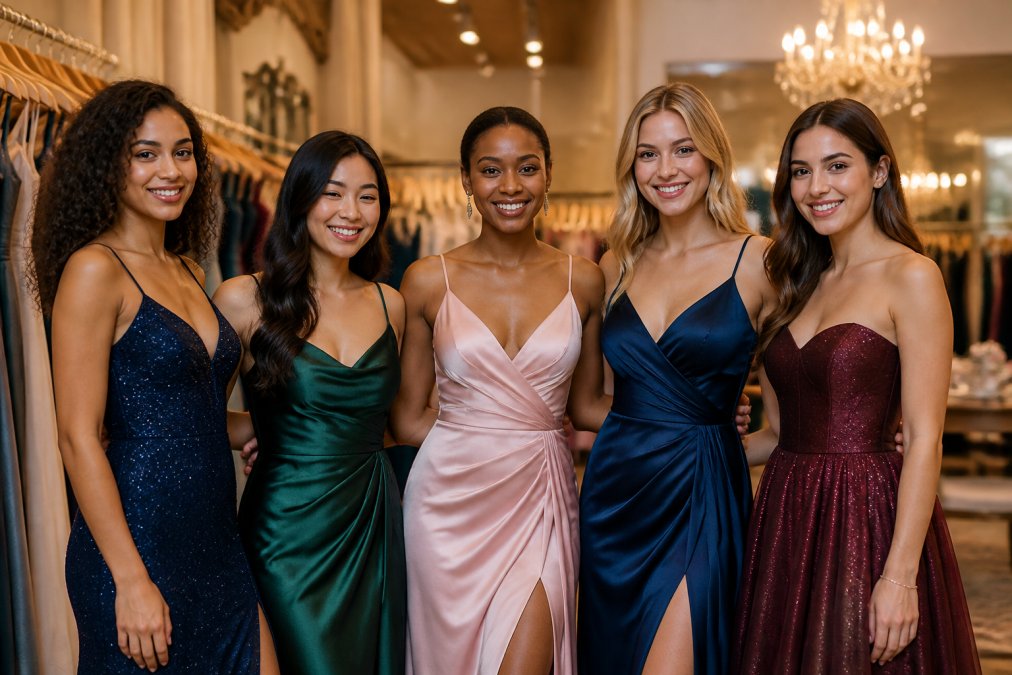
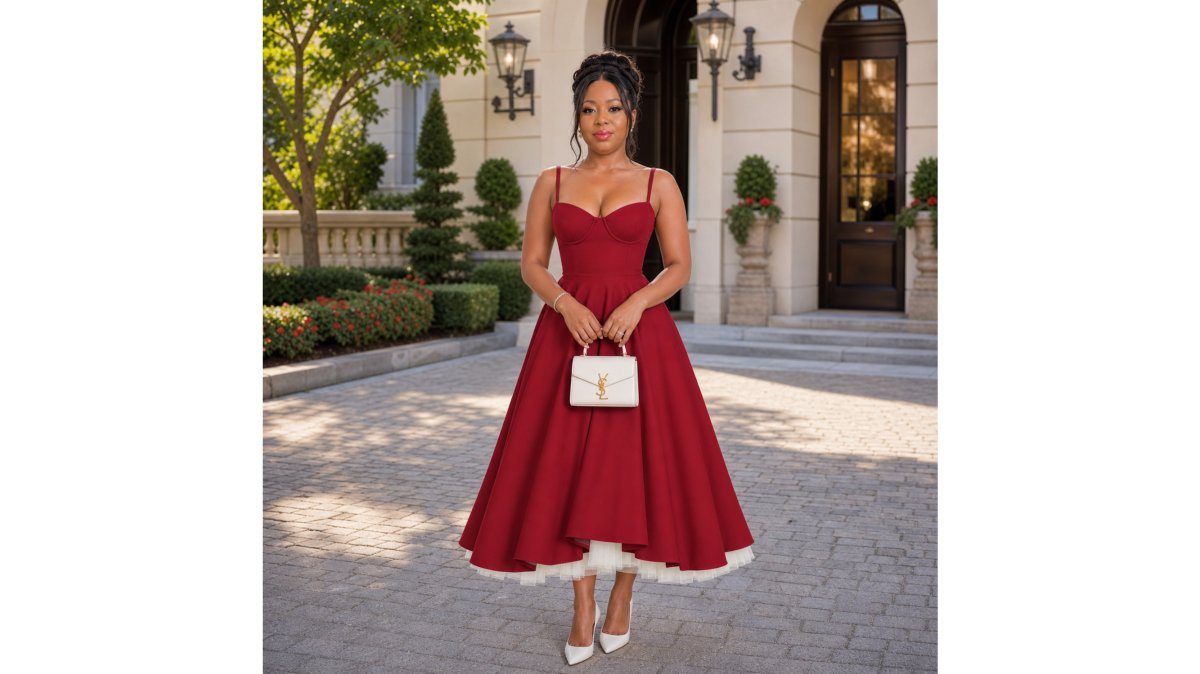
Elegant Gala Gowns with Pockets: Style Meets Function
Table of Contents
- Why Gala Gowns with Pockets Are the Smart Choice
- The Black Tie Gala Dress Code, Explained
- How to Style a Gala Gown for Any Occasion
- Choosing the Right Fabric and Fit for Your Gala Gown
- Caring for Your Gala Gown with Pockets
- Conclusion
- Frequently Asked Questions
Last Updated: September 9, 2026
Why Gala Gowns with Pockets Are the Smart Choice
A gown with pockets is the rare fashion find that delivers both elegance and ease, letting you keep your phone, lipstick, or keys close without carrying a clutch all night. For anyone who has spent an evening juggling a small bag while shaking hands and holding a glass of champagne, the convenience of a hidden pocket is a genuine relief. At EllaVerra Boutique, we have seen how gala gowns with pockets transform the formal wear experience, making sophisticated dressing feel effortless and functional.
The appeal goes beyond simple convenience. Gala gowns with pockets represent a shift toward practical design in evening wear, where designers integrate seams and linings so pockets stay invisible against the silhouette. This functional design is a wardrobe essential for modern event attendees who value both style and utility. Below, we will walk you through the black-tie dress code, styling tips, fabric choices, and care instructions so you can choose a gown that looks stunning and works for you.
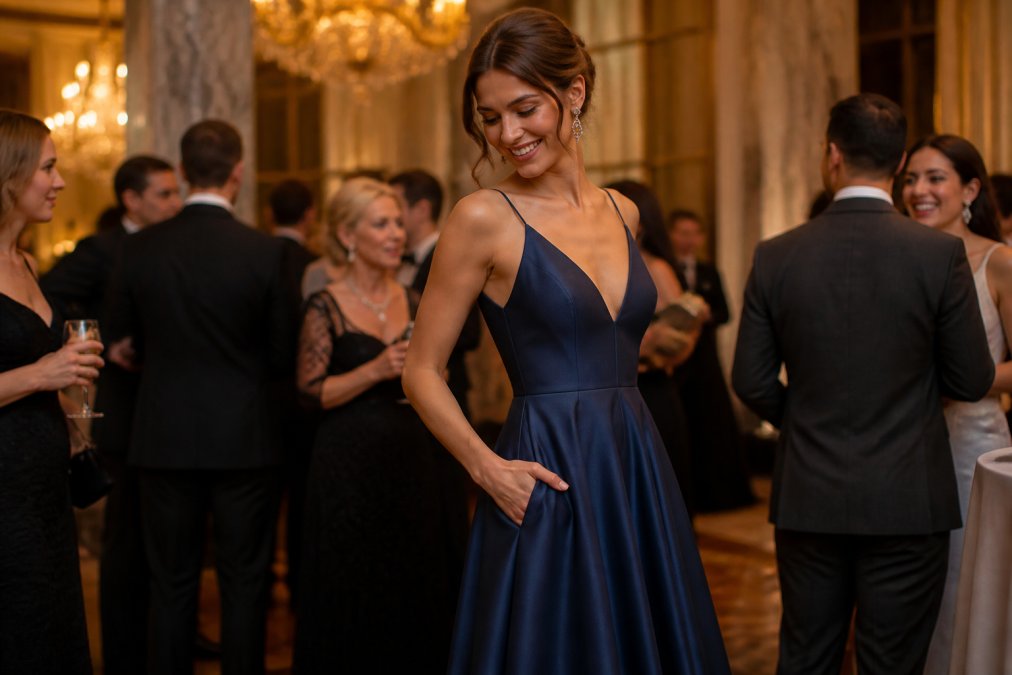
The Black Tie Gala Dress Code, Explained
Black-tie attire calls for floor-length evening gowns, and this is where a pocketed design truly shines (en.wikipedia.org). The dress code signals a formal celebration, so your gown should feature luxury fabrics like satin, tulle, or lace and a refined silhouette that skims the body without clinging. A-line and mermaid cut styles both work well, with the A-line offering a voluminous skirt that moves gracefully and provides ample room for well-integrated pockets.
Understanding the dress code helps you avoid the common mistake of dressing too casually or too formally. A maxi dress in a rich fabric with elegant detailing fits the bill for most galas, while cocktail dresses are reserved for semi-formal events. When in doubt, err on the side of sophistication: a bespoke-feeling gown with a sheer back or eyelet neckline adds a modern touch while respecting the event's formal tone. The goal is a flattering fit that makes you feel confident from the moment you arrive.
How to Style a Gala Gown for Any Occasion
Styling a gala gown is about balancing statement pieces with understated elegance. For a wedding guest, choose accessories that complement rather than compete with the bride, such as delicate earrings and a simple clutch. If you are attending a milestone birthday or anniversary, a designer gown with subtle embellishments can elevate your look without overwhelming the celebration.
- Jewelry: Opt for one focal piece, like a pendant necklace or chandelier earrings, to draw attention to your face.
- Footwear: Select heels or dressy flats that you can wear comfortably for hours, since pockets mean you can skip the heavy bag.
- Hair and makeup: A sleek updo or soft waves frames the neckline, while a bold lip adds polish.
The beauty of gala gowns with pockets is that they free your hands, so your accessories can stay minimal and intentional. For black-tie events, consider a structured evening bag only if you need extra storage; otherwise, let the pockets do the work.
Choosing the Right Fabric and Fit for Your Gala Gown
The interplay between fabric, silhouette, and pocket placement is the defining factor between a gown that merely has pockets and one where they are a seamlessly integrated feature. The goal is a pocket that is accessible and functional without compromising the gown's line or creating bulk. This requires understanding how different materials behave and how construction techniques can be tailored to your frame.
How Pocket Integration Works by Fabric
The construction technique is as important as the fabric itself. A standard side-seam pocket is the most common, but for formal wear, the method of insertion is critical.
- Satin and Silk: These smooth, fluid fabrics have a low friction coefficient, which means a pocket bag made of the same material can cause the gown to sag or pull. High-end designers often line the pocket bag with a lightweight, non-stretch cotton voile or a micro-mesh. This provides structure and prevents the contents from weighing down the delicate outer fabric. The pocket opening is typically set into the side seam at a slight downward angle, which follows the natural rest of the hand and keeps the line clean.
- Tulle and Organza: These are voluminous, stiff fabrics that naturally hold their shape. Pockets in these skirts are often hidden in the seam between the bodice and the skirt, or they are created as a separate, internal layer. This avoids adding any visible bulk to the already full silhouette. The pocket bag itself is often made of a soft, draping charmeuse to prevent it from rustling or adding stiffness.
- Lace and Embellished Fabrics: The challenge here is pattern matching. A pocket opening cut into a lace gown must be placed so the opening does not slice through a prominent motif. Designers will often cut the pocket opening along a scalloped edge or within a less dense area of the pattern to keep the design's flow uninterrupted. The pocket bag is typically attached with a French seam to prevent fraying against the delicate lace.
Matching Pocket Placement to Your Silhouette
The most flattering pocket placement is not one-size-fits-all. It should be determined by your body shape and the gown's cut.
- For A-Line and Ball Gown Silhouettes: The voluminous skirt provides the most forgiving canvas for pockets. The opening can be placed slightly forward of the hip bone, allowing you to access the pocket without breaking the line of the gown. This placement works well for most body types, as the skirt's fullness conceals the pocket's depth.
- For Mermaid and Trumpet Silhouettes: These fitted styles require a more strategic approach. A standard side-seam pocket can create an unwanted bulge at the hip. The most effective solution is a pocket set into the princess seam, which runs vertically from the bust to the hem. This allows the pocket to sit flat against the body's natural curve. A less common but highly effective technique is a hidden watch pocket set just below the waistband, ideal for a phone or lipstick.
- For Pear and Hourglass Body Types: Pockets set at a slight angle (rather than straight down) can help visually balance wider hips. The angled opening draws the eye inward toward the waist, creating a more streamlined look.
- For Rectangle and Athletic Body Types: Pockets placed directly on the hip bone can add the illusion of curve. Look for gowns with pockets that have a bit of structure or a flap, which can add subtle volume where you want it.
The Role of Custom Design
Off-the-rack gowns are built to fit a standard form, which is why pocket placement can feel off. A custom design service can offer a solution. By taking specific measurements, a designer can adjust the pocket's depth, angle, and vertical position to align with your hand's reach and your body's proportions. This can help ensure that the pocket is not just an afterthought, but a bespoke feature of the garment. When ordering a custom gown, specifying the items you intend to carry (e.g., a phone, a lipstick, a card case) can help the designer calibrate the pocket dimensions to your actual needs, ensuring the contents do not create a visible silhouette.
Caring for Your Gala Gown with Pockets
A gown with pockets presents a unique care challenge: the pocket lining and its seams are internal structures that can be easily damaged if not handled correctly. The primary risk is not the fabric itself, but the stress placed on the seam where the pocket bag meets the gown's outer shell. Here is a detailed protocol for preserving both the garment and its hidden functionality.
The Dry Cleaning Directive
For gowns made of satin, silk, tulle, or lace, professional dry cleaning is non-negotiable. However, you must be specific with your cleaner. Do not simply drop off the gown. Verbally instruct them to inspect the pocket seams for any loose threads or weak points before cleaning. The agitation of the cleaning process can exacerbate a minor flaw, turning a small snag into a full seam rupture.
- Pre-Treatment: Before sending the gown, turn the pockets inside out and gently brush the lining with a soft, dry cloth to remove any lint, dust, or cosmetic residue. This prevents these particles from setting into the fabric during the cleaning cycle.
- The Pressing Problem: The most common point of failure is the pressing process. High-heat steam pressing can flatten the pocket's internal lining and create a visible outline on the outer fabric. Request that the cleaner press the gown with a protective cloth and use a low-heat setting, or better yet, steam only and avoid direct pressure over the pocket area.
At-Home Spot Cleaning for Minor Spills
For a small spill at the event, time is of the essence. The correct immediate action can prevent a permanent stain.
- Blot, Do Not Rub: Use a clean, white, absorbent cloth (a cotton handkerchief is ideal) to blot the spill. Rubbing forces the liquid deeper into the fibers and can damage the fabric's surface.
- Target the Lining: If the spill occurs near the pocket opening, it may have soaked into the pocket lining. Gently pull the pocket inside out and blot the lining separately. This prevents the stain from wicking through to the outer shell.
- Use a Specialized Cleaner: For oil-based stains (like makeup or salad dressing), apply a small amount of a gentle, solvent-based spot cleaner (like dry-cleaning fluid) to the area with a cotton swab. Test it on an inconspicuous seam first to ensure it does not discolor the fabric.
Storage and Structural Integrity
How you store a pocketed gown is critical to maintaining its shape.
- Padded Hanger, Not Wire: A wire hanger can create pressure points that distort the shoulder seams and pull on the bodice, which in turn can misalign the pocket placement. Use a wide, padded hanger to distribute the weight evenly.
- Stuff the Pockets: To prevent the pocket bags from creasing or folding over on themselves during storage, gently stuff them with acid-free tissue paper. This maintains the pocket's shape and prevents permanent fold lines from forming in the lining.
- The Garment Bag: Store the gown in a breathable, cotton garment bag. Plastic bags trap moisture, which can lead to mildew and yellowing of delicate fabrics (the CDC). Ensure the bag is long enough so the hem does not bunch at the bottom, which can put stress on the side seams where the pockets are set.
Periodic Seam Inspection
Every few months, inspect the internal seams of the pockets. Run your fingers along the seam allowance to feel for any loose threads or gaps. If you find a loose thread, do not pull it. Use a small, sharp pair of embroidery scissors to snip it close to the seam. If a seam is beginning to open, take the gown to a tailor for a professional repair before you wear it next. A small repair is far less costly than a full seam reconstruction after a pocket has torn during an event.
Conclusion
Choosing the right gown for a gala involves balancing the dress code, your personal style, and practical needs like pockets. Many women find that a well-fitted, functional design boosts their confidence and lets them enjoy the evening without fussing over a clutch. EllaVerra Boutique offers a curated collection of elegant evening and gala gowns, including modest options, with custom design services to ensure a flattering fit. With free shipping on orders over $200 and flexible payment options like Shop Pay and AfterPay, finding your perfect gown is simple. Subscribe to our updates and discover how gala gowns with pockets can elevate your next formal event.
Frequently Asked Questions
Are pockets considered appropriate for formal gala attire?
Yes, pockets are absolutely appropriate for formal gala attire when they are integrated well into the design. Modern designers use seam integration and clever construction to add functional pockets without disrupting the gown's silhouette. This means you can keep your phone, lipstick, or a small card with you, all while maintaining an elegant, sophisticated look. The key is choosing a gown where the pockets are a thoughtful design feature, not an afterthought.
How do I choose a gala gown that is both elegant and functional?
Focus on the silhouette and fabric first. A-line and ball gown styles are ideal for concealing pockets because the skirt provides natural volume. Look for gowns in structured fabrics like duchess satin or crepe, which hold their shape well and prevent pockets from sagging or adding bulk. Before buying, check customer reviews for feedback on how the pockets lie and whether they are deep enough to be useful.
What are the best fabrics for formal gowns with pockets?
Structured fabrics are your best choice for formal gowns with pockets. Heavy duchess satin, crepe, and mikado are luxurious and hold their shape, so pockets remain invisible. Tulle and chiffon are beautiful but more delicate; they require a lining or a hidden seam construction to ensure the pockets don't create a visible lump. A well-made gown will use a combination of a structured outer fabric and a smooth lining to keep the silhouette clean.
Can a gown with pockets still look sophisticated for a black-tie event?
Absolutely. A gown with pockets can be the epitome of sophistication, offering both elegance and convenience. The sophistication comes from the design, the silhouette, and the fabric, not from the absence of pockets. Many designer and bespoke gowns now feature pockets as a standard, desirable element. They allow you to carry your essentials with ease, letting you enjoy the event without the distraction of holding a clutch all night.