Modern Modest Formal Wear That Isn't Shapeless
Table of Contents
- Why Modest Formal Wear Often Falls Flat
- Key Silhouettes for Modern Modest Evening Gowns
- How to Tailor Modest Dresses for a Better Fit
- The Best Fabrics for Modest Formal Wear That Drapes Well
- Necklines, Sleeves, and Layering That Add Visual Interest
- Body-Type Specific Styling for Modest Formal Looks
- Budget-Friendly DIY Tailoring and Sustainable Options
- Seasonal Transition Styling for Modest Formal Wear
- Frequently Asked Questions
Last Updated: September 17, 2026
Why Modest Formal Wear Often Falls Flat
Most modest formal wear fails for one reason: it treats coverage as the goal instead of the starting point. A dress that hides everything but shapes nothing reads as shapeless, no matter how expensive the fabric. The garment has no waist, no shoulder line, no point of visual focus, so the eye slides off it entirely.
The frustration is real, and it is not about modesty itself. It is about construction. A high neckline without a defined waist creates a column of fabric. A long skirt without a structured bodice looks like a nightgown. Add a cardigan chosen for coverage rather than cut, and the whole silhouette disappears.
At EllaVerra Boutique, we hear the same complaint constantly: "modest options either look frumpy or cost a fortune." The fix is not more fabric or a bigger budget. It is understanding three things: silhouette, fabric drape, and where to place visual interest. Get those right and a covered dress can look more modern than a strapless one.
Below, we break down exactly how to find modest formal wear that reads as intentional, elegant, and current in 2026.
Key Silhouettes for Modern Modest Evening Gowns
The fastest way to avoid a shapeless look is to choose a silhouette that creates its own structure. Two shapes do this better than any other for coverage-focused dressing: fit-and-flare and the column with strategic detail.

Fit-and-Flare and A-Line
Fit-and-flare is the most forgiving structured shape for modest dressing because it defines the waist before releasing into a skirt. The fitted bodice does the shaping; the flared skirt handles coverage and movement. An A-line works on the same principle with a gentler line from shoulder to hem.
For a modern take, look for a defined waist seam rather than a gathered elastic one. A clean seam reads as tailored; elastic reads as casual. The Vogue guide to formal dress codes notes that silhouette, not embellishment, is what separates a formal gown from a party dress.
Column and Sheath with Strategic Coverage
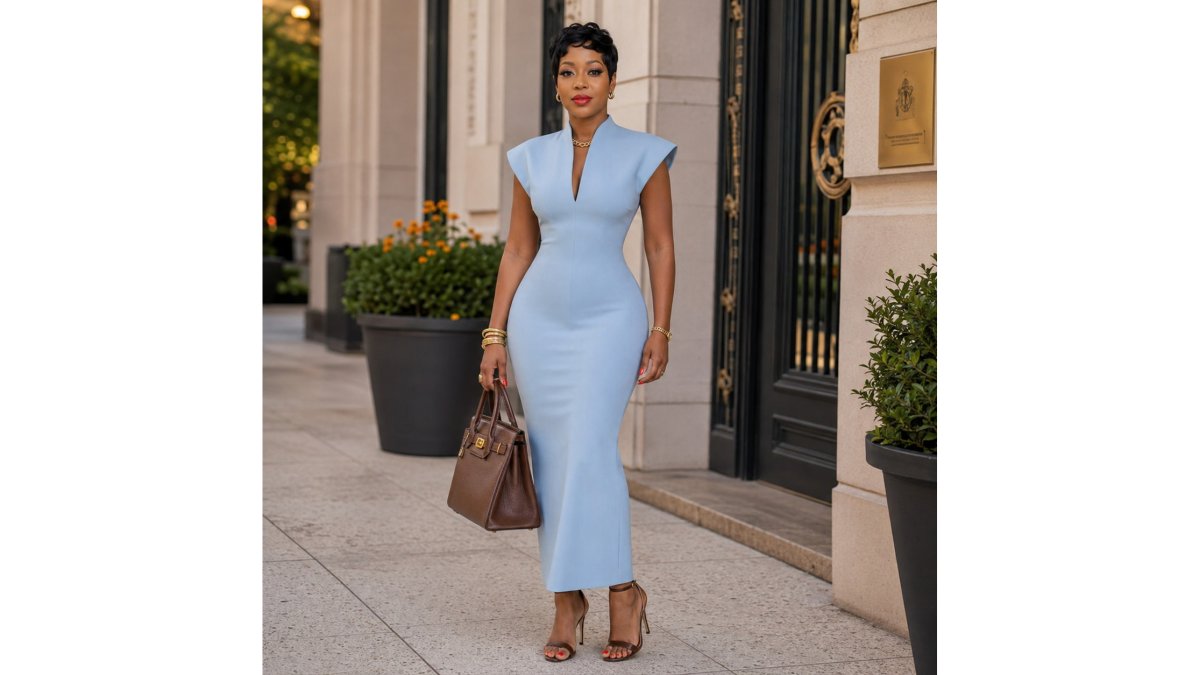
A column or sheath cut is sleek and modern, but it needs help to avoid looking like a uniform. The trick is strategic detail: a stand collar, a structured cap sleeve, a V-split neckline that draws the eye upward. The Power Line Structured Bodycon Midi Dress from EllaVerra Boutique ($89.00) is a good example. Its stand collar and V-split create a focal point, while the structured fabric holds a clean line instead of clinging.
How to Tailor Modest Dresses for a Better Fit
Tailoring is where most modest dresses go from acceptable to genuinely flattering, and it is the step almost everyone skips. Off-the-rack garments are cut for an average body that does not exist, so a dress that fits at the bust will gap at the waist, and one that fits the waist will pull at the shoulder. A few targeted adjustments change the entire read of a dress, and most of them cost far less than buying a new gown.
Start with these priority alterations, ranked by how much they change the silhouette:
- Take in the waist. This single change creates shape and is the most common fix for a boxy look. A tailor adds darts at the back or takes in the side seams to pull fabric in at the narrowest point.
- Shorten the hem. Floor-length dresses often need 2-5 cm removed so the hem grazes rather than pools. Pooling fabric shortens the leg line and reads as borrowed.
- Adjust the shoulder or sleeve. A sleeve that droops at the shoulder undermines an otherwise sharp bodice. Raising the shoulder seam by even a centimeter sharpens the whole upper body.
- Check the bust seam. A seam sitting too low flattens the chest and adds visual weight. Moving it up to your natural bust point restores proportion.
- Refine the neckline edge. A clean, well-finished neckline reads far more expensive than a fussy one.
Waist Definition and Hem Adjustments
Waist definition is the highest-return alteration you can make. A tailor can add darts at the back or take in side seams to pull fabric in at the narrowest point. Hem length matters just as much: a gown that stops just above the floor lengthens the leg line, while extra fabric bunches and shortens you.
DIY Tailoring Hacks You Can Do at Home
Not every fix needs a tailor. These beginner-friendly alterations handle the most common shapeless-dress problems with tools you likely already own:
- Add a thin matching belt. A belt in the same tone as the dress creates a waistline on a straight-cut gown without breaking the vertical line. This is the fastest fix for a boxy sheath.
- Take in a side seam. Turn the dress inside out, pin a gentle curve from underarm to hip, and stitch along the pins. A slight inward curve at the waist is enough to create shape.
- Shorten a hem with iron-on hem tape. For a quick, no-sew fix, fold the hem to the desired length, press with an iron, and apply hem tape between the layers. This works best on mid-weight fabrics like crepe and matte satin.
- Move a button or add a hook-and-eye. A neckline that gapes or sits too low can be refined by repositioning a button or adding a hidden hook-and-eye closure at the top edge.
- Use fashion tape to secure edges. Fashion tape holds a neckline or sleeve edge in place so it does not shift during the event, keeping the line clean.
When to Hire a Tailor vs. DIY
A good rule of thumb: if the alteration involves the bodice structure, the lining, or more than two seams, hire a professional. Simple hemming, belt additions, and button moves are safe DIY projects. Structural changes to the waist or bust are best left to someone with a sewing machine and experience with formal fabrics.
If you are unsure whether a dress is worth altering, check the seams and lining first. A well-constructed garment with a clean lining is worth tailoring; a poorly made one usually is not.
The Best Fabrics for Modest Formal Wear That Drapes Well
Fabric drape decides whether a covered dress looks fluid or stiff, and it matters more than any single design detail. Stiff fabrics hold a boxy shape and add bulk at every seam. Fabrics with weight and movement skim the body and create elegant lines.
The best fabrics for modest formal wear share three qualities: they have enough weight to hang cleanly, enough drape to move with you, and enough opacity to cover without heavy lining. Stretch crepe, matte satin, and fine pleated fabrics all fit this profile. The Isla Two-Piece Set ($98.99) uses sandstone stretch crepe specifically because it offers structure and flexibility at once, with a smooth texture that flows rather than clings.

Shapelessness often traces back to a stiff, cheap-feeling fabric. If a gown feels scratchy or rigid in the hand, it will look rigid on the body. Look for a textile guide to fabric drape and weight if you want to understand why some fabrics fall beautifully and others do not.
Necklines, Sleeves, and Layering That Add Visual Interest
Coverage does not mean a blank canvas. The neckline and sleeve are where you create the visual interest that makes a modest look feel deliberate. A high neckline with no detail reads as severe; the same neckline with a collar, a subtle V-split, or a decorative closure reads as refined.
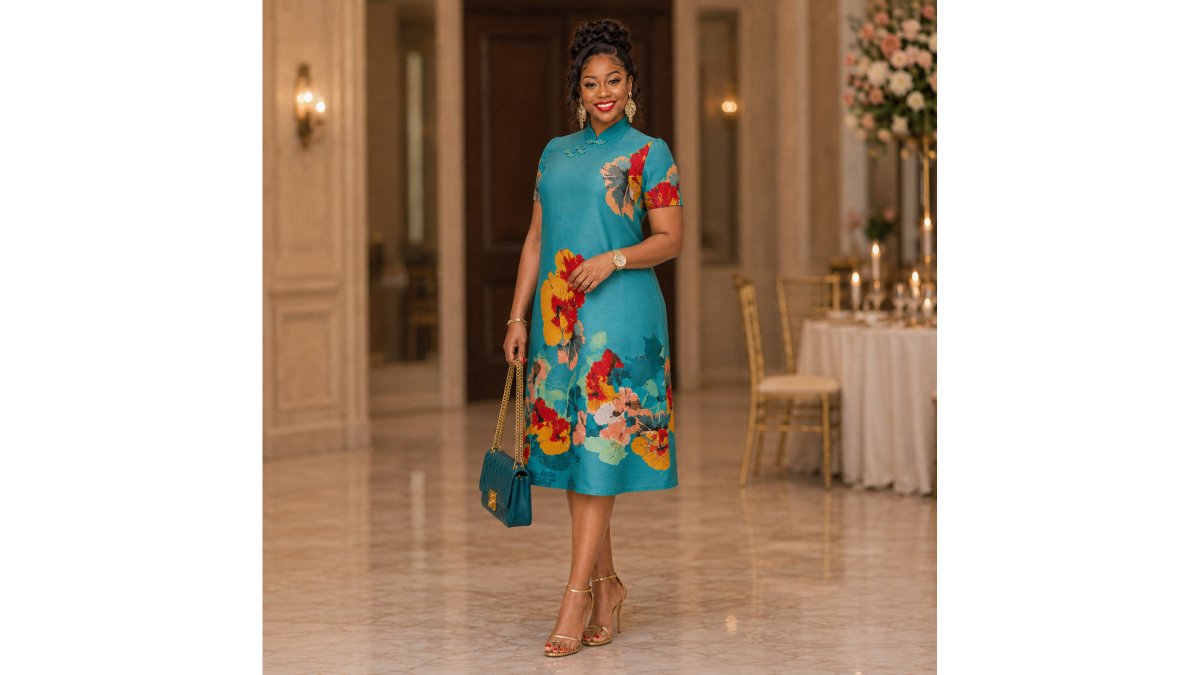
Teal Blossom Mandarin Collar A-Line →
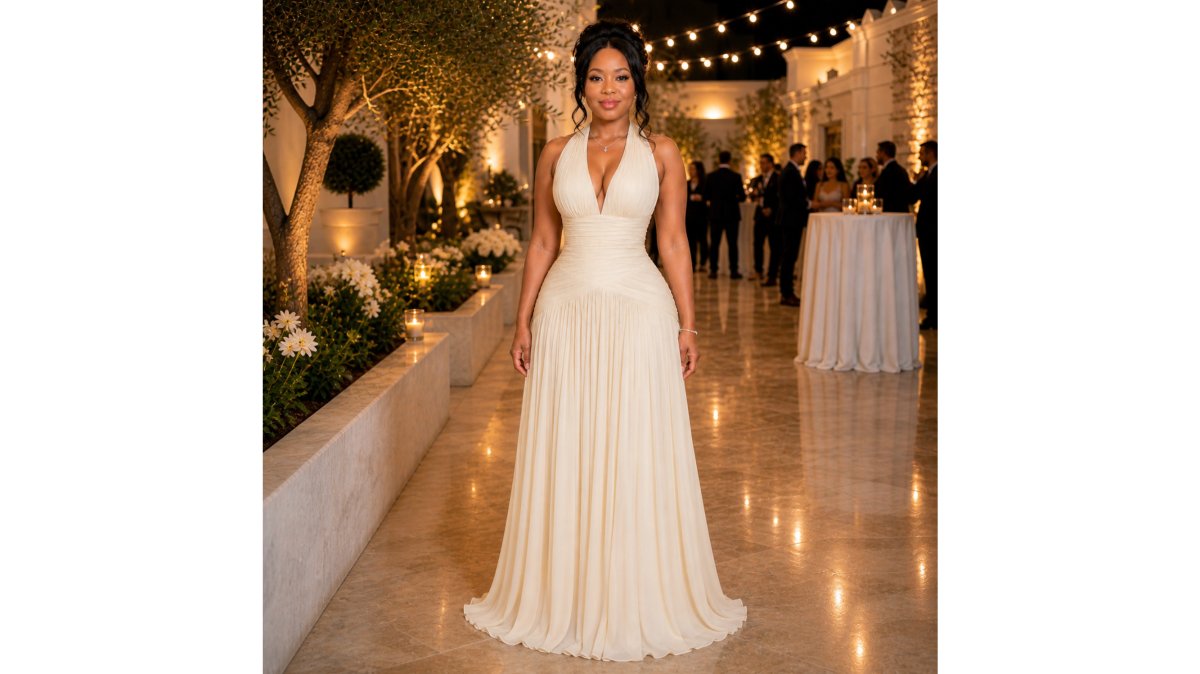
Three-quarter sleeves and structured cap sleeves are the most flattering coverage options because they end at a narrow part of the arm. A relaxed batwing sleeve, like the one on the Azure Elegance Pleated Maxi Gown ($99.99), offers beautiful coverage while keeping the shoulder line soft and modern. A mandarin stand collar with a small decorative detail, as seen on the Teal Blossom Mandarin Collar A-Line Dress ($99.00), gives a modest neckline a clear focal point.

Shrugs, Shawls, and Cardigans for Coverage
Layering pieces should add shape, not hide it. A shapeless cardigan thrown over a formal gown is the fastest route to a frumpy look. Choose a shrug or bolero that ends at or above the waist to preserve your waist definition, or a shawl draped to create a diagonal line across the body.
A structured shrug in a matching or complementary tone reads as part of the outfit. A loose, long cardigan reads as an afterthought. The difference is entirely in the cut and where it ends.
Body-Type Specific Styling for Modest Formal Looks
The same gown flatters one body type and overwhelms another, so the goal is not to find the universally "best" modest dress. It is to match the silhouette to your proportions. The mechanism is simple: place structure where you want the eye to stop, and let fabric skim everywhere else.
- Pear shape (hips wider than shoulders): Choose fit-and-flare or A-line cuts that skim the hip and define the waist, with detail concentrated at the neckline to draw the eye up. A structured shoulder or a stand collar balances the lower body. Avoid heavy embellishment at the hip.
- Apple shape (fuller midsection): Look for column dresses with an empire or gently gathered waist and a V-split neckline to elongate the torso. A defined seam just under the bust creates a waistline without squeezing the midsection. Avoid clingy fabrics that highlight the stomach.
- Hourglass (balanced bust and hips, defined waist): A structured bodycon or defined-waist gown shows off natural proportion without exposing anything. The key is a fabric with enough weight to hold the waist seam, stretch crepe works well here.
- Petite (under 5'4"): A column or A-line in a midi or floor-grazing length keeps the vertical line long. Avoid heavy horizontal detail, large prints, and wide belts that break the line. A monochrome look in a single tone adds height.
- Tall (over 5'9"): A floor-length pleated maxi with a waist tie balances height and adds graceful movement. You can carry more volume in the skirt and more dramatic sleeves than a petite frame.
- Rectangle (waist not strongly defined): Create a waist with a belt, a peplum, or a tailored seam. Fit-and-flare works well because the flare itself implies a waist even if one is not naturally pronounced.
The Common Thread: Waist Definition
Waist definition is the common thread across every body type. If a dress has no waistline, tailoring can create one, and that single adjustment makes the most difference. A belt, a dart, or a seam all achieve the same goal: they give the eye a place to rest and the body a shape to follow.
Budget-Friendly DIY Tailoring and Sustainable Options
You do not need a large budget to get a tailored fit or a more sustainable wardrobe. Two practical routes work: simple alterations you can do yourself, and buying pieces you will genuinely rewear.
For DIY tailoring, start with these beginner-friendly fixes:
- Take in a side seam by pinning and stitching a gentle curve at the waist
- Add a thin matching belt to create definition on a straight-cut dress
- Shorten a hem with iron-on hem tape for a quick, no-sew fix
- Move a button or add a hook-and-eye to refine a neckline
- Use fashion tape to secure a neckline or sleeve edge in place
Sustainability comes down to buying fewer, better pieces. A well-made gown you can rewear to multiple events beats three fast-fashion dresses you wear once. Choosing timeless silhouettes and classic tones keeps a modest formal wardrobe in rotation for years. According to the EPA's guide to reducing textile waste, extending the life of a garment is one of the most effective ways to cut its environmental impact.
Seasonal Transition Styling for Modest Formal Wear
A modest formal look should work across seasons without a full wardrobe change. The key is layering pieces and fabric weight, not buying a new gown for every event.
For cooler months, add a structured shrug, a fine-knit wrap, or a long-sleeve layering top under a sleeveless gown. Choose deeper tones and fabrics with a bit more weight. For warmer months, switch to lighter drape fabrics and swap heavy layers for a sheer shawl that provides coverage without heat. The Azure Elegance Pleated Maxi Gown works across seasons because its relaxed batwing sleeves and flowing silhouette layer easily over a light top or under a wrap.
One gown, styled two ways, covers a spring gala and an autumn wedding. That is the practical case for buying fewer, more versatile modest formal pieces.
Finding modest formal wear that looks modern instead of shapeless comes down to structure: a defined waist, a fabric that drapes, and visual interest placed at the neckline and shoulder. Get those three right and coverage becomes an asset, not a compromise.
EllaVerra Boutique curates exactly this kind of piece, from wedding guest attire to gala and evening gowns, with a dedicated modest clothing collection and custom design services available. Free shipping applies on orders over $200, and flexible payment options including Shop Pay and AfterPay make it easier to invest in a gown you will actually rewear. Subscribe to EllaVerra Boutique and find the piece that makes your next occasion memorable.
Frequently Asked Questions
How do you style modest formal wear to look modern?
Start with a structured silhouette that defines your waist, like a fit-and-flare or belted column dress. Add contemporary details such as a mandarin collar, asymmetrical draping, or metallic accessories. Layering with a tailored shrug or structured cardigan keeps coverage without bulk. Choose fabrics with good drape, like crepe or satin, and keep the overall look intentional with one statement piece, such as an embellished clutch or architectural earrings.
What fabrics are best for modern modest evening gowns?
Look for fabrics that hold shape and drape well. Stretch crepe, satin, and structured knits are excellent because they skim the body without clinging. Lace overlays add texture while maintaining coverage. Avoid stiff or heavy fabrics that add volume. The Isla Two-Piece Set from EllaVerra Boutique uses sandstone stretch crepe, which offers structure and flexibility for a flattering fit.
How can I make a modest dress look less shapeless?
Focus on waist definition. Add a belt or choose a dress with pleating or gathering at the waist. Tailoring is key: take in the sides and adjust the hem so the dress follows your curves. Layering with a structured piece, like a fitted blazer or a shrug, can also create shape. The Power Line Structured Bodycon Midi Dress from EllaVerra Boutique is designed with a fitted silhouette and structured fabric to define your shape.
Where can I find high-quality modest formal wear?
EllaVerra Boutique offers a curated selection of elegant, modest formal wear, including evening gowns and two-piece sets. Their collection combines timeless beauty with modern trends, and they provide custom design services for a perfect fit. With free shipping on orders over $200 and flexible payment options, it's a convenient place to find sophisticated attire for weddings, galas, and special occasions.