Style Modest Formal Wear for Modern Events
Table of Contents
- Understanding Modest Formal Wear for Today's Events
- Formal Dresses for Wedding Guests: Finding Your Perfect Match
- Silhouettes and Cuts That Flatter and Respect Your Style
- How to Accessorize a Formal Gown Without Overdoing It
- Buying Formal Dresses Online: What to Check Before You Order
- Formal Dress Fit and Sizing: Getting It Right the First Time
- Color and Fabric Choices for Elegant Impact
- Styling for Different Formal Occasions
- Frequently Asked Questions
Last Updated: October 8, 2026
Understanding Modest Formal Wear for Today's Events
Styling modest formal wear for modern events means balancing elegance and comfort while respecting your personal style. At EllaVerra Boutique, we believe that modest doesn't mean sacrificing sophistication. The right gown makes you feel confident, beautiful, and completely yourself.
Modern events call for a fresh approach to formal dressing. The best modest formal wear combines timeless silhouettes with thoughtful design details that work for real bodies and real life.
This guide covers choosing, styling, and wearing modest formal wear to weddings, galas, and milestone events, from flattering silhouettes to shopping confidently online.
Formal Dresses for Wedding Guests: Finding Your Perfect Match
Wedding guest dresses require a specific approach: elegant, appropriate for the formality level, and wearable for hours of sitting, eating, and dancing.
Understand the dress code first. A black-tie wedding calls for different styling than a garden ceremony, and a formal evening reception differs from a daytime celebration. Once you know the formality level, choose a dress that fits both the occasion and your comfort.
Look for wedding guest dresses in classic colors like navy, emerald, burgundy, champagne, or soft jewel tones. Black works beautifully for formal or evening weddings. Avoid white, cream, or anything that could compete with the bride's dress. Florals, geometric prints, and subtle patterns all work well.
Choose fabrics that move well and feel comfortable against your skin. Chiffon, crepe, and structured cotton blends photograph beautifully and feel good to wear. Avoid anything too stiff or heavy unless the season calls for it.
Silhouettes and Cuts That Flatter and Respect Your Style
The right silhouette is everything. A dress that follows your body's natural lines will feel comfortable, look flattering, and boost your confidence instantly.
A-Line and Empire Waist Options
A-line silhouettes are the workhorse of formal wear: they skim the body without clinging, create a graceful line from bust to hem, and work for nearly every body type. A fitted bodice with a flowing skirt is forgiving, elegant, and timeless.
Empire waist dresses sit high under the bust and fall straight down, elongating your frame and de-emphasizing the midsection. They're also incredibly comfortable because there's no tight waistband.
The Azure Elegance Pleated Maxi Gown features a relaxed silhouette with batwing sleeves and an adjustable waist tie. This style gives you the comfort of a flowing gown with the polished look of a formal dress.
Halter and High-Neckline Designs
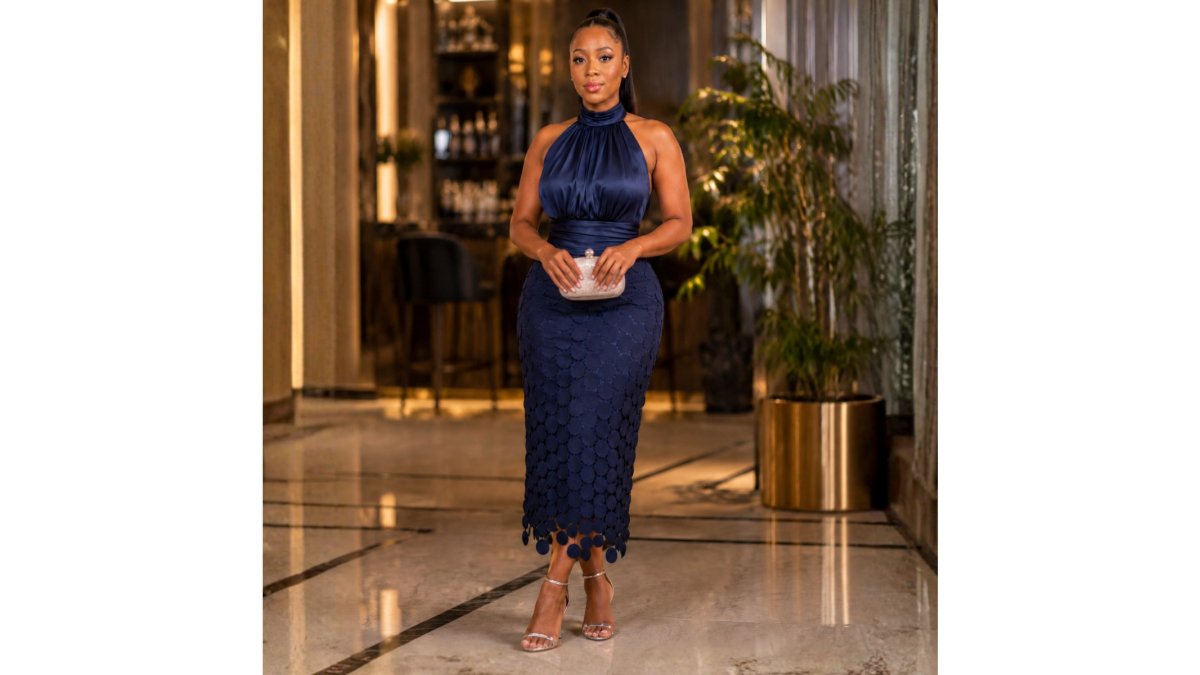
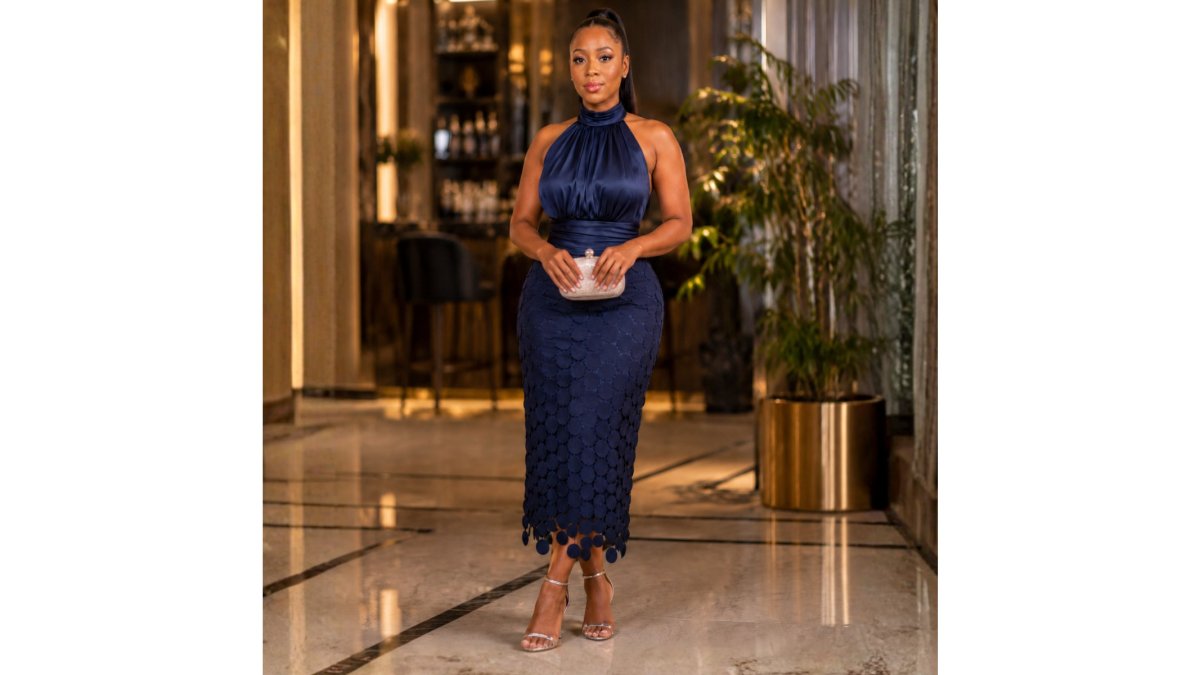
Halter necklines are sophisticated and modern, exposing the shoulders and back while providing support through the neck. They draw the eye upward and work beautifully if you have a smaller bust or want to show off your shoulders and collarbone.
High necklines offer coverage and elegance. A crew neck, mock neck, or mandarin collar creates a polished look and works especially well for modest styling because it feels intentional and chic, not restrictive.

The Elegant Flow Gown features a draped halter neckline with a deep V and a wide gathered waistband. The pleated chiffon skirt moves like water, making it perfect for outdoor ceremonies and garden events.
For a different approach, the Teal Blossom Mandarin Collar A-Line Dress pairs a mandarin stand collar with short sleeves and an easy A-line cut. This style feels fresh and modern while honoring modest coverage.
How to Accessorize a Formal Gown Without Overdoing It
Accessorizing a formal gown is about restraint. The dress should be the star; accessories should enhance, not compete.

Start with shoes. Choose heels or flats that complement your dress color and feel comfortable for hours. Metallic heels (gold, silver, rose gold) work with almost everything, and nude or black are always safe. Avoid shoes that distract from the overall look.
For jewelry, follow the "one statement piece" rule: a bold necklace means simple earrings, and statement earrings mean a delicate or skipped necklace. Bracelets and rings can be worn together, but keep them understated.
Choose a structured clutch or small evening bag, which looks more formal than a slouchy one. Metallics, neutrals, or a color that picks up an accent in your gown all work well.
A shawl, wrap, or light jacket adds elegance and practicality for air-conditioned venues or cool evenings. A simple pashmina, silk wrap, or tailored jacket keeps you comfortable without overwhelming your dress.
Buying Formal Dresses Online: What to Check Before You Order
Online shopping for formal wear requires strategy. You can't try the dress on before it arrives, so evaluate quality, verify the seller, and understand the true cost before you click buy. Most shoppers focus only on the photo and price, that's where mistakes happen.
A Fabric and Construction Inspection Checklist
You can judge a gown from product photos and descriptions if you know what to look for. Run through this checklist before ordering.
Lining. A quality formal dress is fully lined through the bodice and skirt. "Fully lined" or "lined bodice" is a good sign. An unlined sheer skirt or bodice usually means the fabric will cling, show every seam, and feel less substantial. If the listing doesn't mention lining, assume it isn't lined.
Seams and stitching. Zoom into the side, waist, and shoulder seams. Straight, even stitching with no puckering signals care; loose threads, wavy seams, or stitching that pulls the fabric are warning signs. On a well-made dress, the inside looks nearly as clean as the outside.
Closures. A hidden back zipper with a hook-and-eye at the top is standard on formal wear. A visible plastic zipper on a floor-length gown signals lower construction quality. Buttons should be securely sewn and evenly spaced.
Fabric weight and drape. Chiffon and crepe should look fluid and move with the body; satin should have a soft sheen, not a plastic shine. Stiff, cheaply shiny fabric that holds hard creases may be a lower-quality synthetic blend. Named fiber content, "100% polyester crepe" or "satin with a matte finish", is more trustworthy than vague terms like "premium fabric."
Embellishments. Beading, sequins, lace appliqué, and embroidery are where quality varies most. Look for close-ups: beads should be evenly spaced and secure, and lace should lie flat, not pucker or float. If the listing shows only a distant photo, ask for a close-up before ordering.
How to Verify a Seller Before You Buy
A beautiful dress photo means nothing if the seller is unreliable. Before ordering from an unfamiliar shop, check these signals.
Seller history and contact details. Look for a business name, physical address, and working customer-service email or phone. A site with only a contact form is a risk. Check how long the shop has operated and whether it has a consistent social media presence.
Return policy in writing. Read the full return policy: the return window, who pays return shipping, restocking fees, and final-sale items. A policy that's hard to find or vaguely worded is a warning sign.
Secure payment. Check that checkout uses a recognized payment processor and a secure connection. Reputable shops offer mainstream payment methods. If the only option is a bank transfer or a payment app with no buyer protection, walk away.
Independent reviews. Read reviews on the shop's site and on independent platforms. A pattern of complaints about fit, fabric, or slow shipping matters more than a few glowing testimonials. Look for specific details, fabric feel, fit, whether the dress matched the photo, rather than generic praise.
Warning signs of a misleading listing. Be cautious if the same photo appears on multiple unrelated shops, the price is dramatically lower than comparable dresses, the description is copied word-for-word from another site, or the size chart is missing or inconsistent.
Returns, Exchanges, and the True Cost of the Dress
The price on the product page isn't the price you pay. Before checkout, add up the full cost.
- Shipping. Note the cost and estimated delivery window; free shipping often takes longer.
- Return shipping. A $15 to $25 return label can erase the savings from a lower-priced dress.
- Restocking fees. Some sellers charge a percentage of the item price to accept a return.
- Alteration costs. Hemming a floor-length gown, taking in a bodice, or adjusting straps adds to the total. Budget for it if you're between sizes or shorter or taller than average.
- Final-sale restrictions. Clearance and custom-made items are often final sale, so you take on all the fit risk.
A dress that costs less upfront but can't be returned, or needs $60 in alterations, may cost more than a slightly higher-priced dress with a generous return window and true-to-size fit. Compare the total, not the sticker price.
Photo and Review Verification
Listing photos are styled, lit, and often retouched; customer photos are not. Before buying, compare customer-submitted images with the listing photos, color, drape, length, and embellishment. If the customer photos show a noticeably different color or shorter hem, believe the customer photos.
Look for reviews with useful details: the reviewer's height and usual size, whether the dress ran small or large, how the fabric felt, whether it needed alterations, and whether the color matched the photo. "Love it" tells you nothing; "I'm 5'4" and ordered a size 8; the hem hit the floor and the bodice was snug" tells you everything.
Formal Dress Fit and Sizing: Getting It Right the First Time
Fit is the difference between a dress that looks beautiful and one that doesn't work. Too tight, and it pulls, wrinkles, and feels uncomfortable; too loose, and it hangs poorly and looks sloppy.
Check the size chart before ordering, formal wear often runs differently than everyday clothing. Measure your bust, waist, hips, and inseam (for floor-length dresses) honestly, and compare to the size chart, not the size number.
Pay attention to length. Floor-length dresses should just touch the top of your shoe or have a slight sweep. If you're shorter or taller than average, account for hemming, many dresses can be altered, but it adds to the total cost.
Consider the bodice fit. Too tight across the bust is never comfortable, and too loose will gape and look unflattering. If you're between sizes, order for your largest measurement (usually bust or hips) and have the rest tailored.
Look for adjustable elements: a waist tie, tie-back closure, or adjustable straps let you customize the fit. Built-in support like adhesive cups or boning also helps.
Color and Fabric Choices for Elegant Impact
Color and fabric determine how a dress photographs, how it wears over several hours, and whether the price is justified. Here's how to choose both with intention.
Choosing Color for the Occasion and Your Skin Tone
Start with the occasion, then narrow by what flatters you.
Formal and evening events. Jewel tones, emerald, sapphire, ruby, amethyst, read as sophisticated and photograph well under low light. Navy and deep burgundy are classic and forgiving, black is always appropriate, and metallics like champagne, gold, and silver work for galas.
Daytime and garden events. Soft pastels, blush, lavender, pale blue, sage, feel romantic in daylight. Lighter colors show fabric quality more clearly, so construction matters more.
Skin tone. Warm undertones tend to look best in gold, champagne, warm reds, and olive greens; cool undertones in silver, sapphire, emerald, and true red. If unsure, hold gold and silver jewelry near your face in natural light, whichever brightens your skin points to your undertone. Navy, burgundy, and deep green flatter nearly everyone.
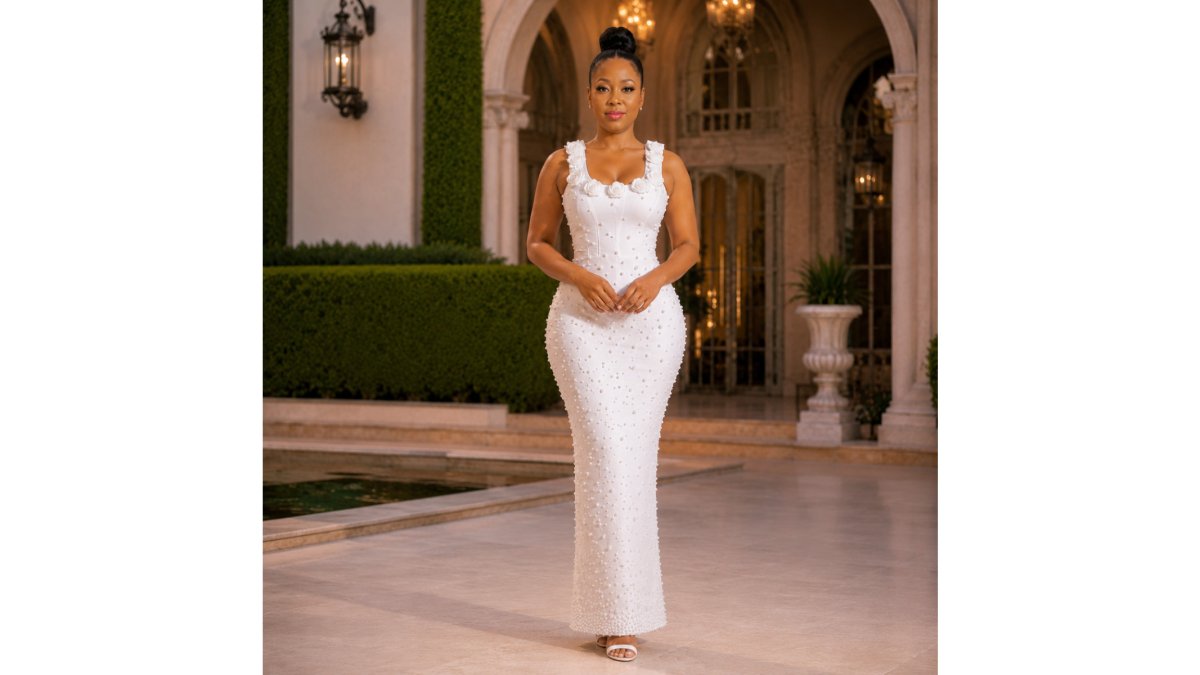
Colors to avoid at weddings. Skip white, cream, ivory, and anything that could read as bridal, a near-universal rule at U.S. weddings that applies to modest formal wear as much as any other style.
Fabric: What Each One Does Well and Where It Falls Short
Fabric choice affects drape, comfort, photography, and price. Here's how the common formal-wear fabrics compare.
Chiffon. Lightweight, fluid, and romantic, it drapes beautifully and flatters most body types. It can be sheer, so it needs a lining, and it wrinkles less than satin but can snag.
Crepe. Structured but soft, it holds its shape without stiffness and skims the body rather than clinging, a strong choice for modest silhouettes. It photographs well and resists wrinkles.
Satin. Luxurious and formal with a soft sheen, it photographs beautifully under event lighting. It shows every wrinkle and seam, so construction quality matters more than with almost any other fabric. Cheaper satins can look plastic-like.
Lace. Often used as an overlay or on a bodice, quality lace lies flat with clear, defined patterns. Lower-quality lace can pucker, feel scratchy, or look flat in photos.
Cotton blends and ponte. Comfortable, affordable, and good for daytime events, they hold shape well but look less formal than chiffon, crepe, or satin.
Velvet. Rich and formal, ideal for fall and winter. It photographs with depth and feels luxurious, but it's warm, so it's best for cool-weather events.
A Quality-versus-Price Framework
A higher price doesn't automatically mean a better dress, nor a lower price a worse one. Use these criteria to judge whether construction and materials justify the price.
- Fiber content. A named natural or high-quality synthetic fiber, silk, viscose, quality polyester crepe, usually justifies a higher price than "premium fabric."
- Lining. Fully lined dresses cost more to make and wear better; a lined dress at a mid-range price is a good value signal.
- Construction details. Hidden zippers, finished seams, secure closures, and evenly applied embellishments cost more to produce. Look for them.
- Fit adjustability. Adjustable straps, tie waists, and built-in support reduce alteration costs.
- Return policy. A generous return window has real value, worth paying a little more for a dress you can send back.
A moderate-priced dress with a named fabric, full lining, clean construction, and a 30-day return window is often a better buy than a cheaper dress with none of those. Price alone tells you little, construction and policy tell you the rest.
Styling for Different Formal Occasions
Different events call for different styling. Understanding the context helps you choose the right dress and accessories.
Wedding Guest Dress Codes
Black-tie weddings call for your most formal dress: floor-length gowns, sophisticated colors, and polished accessories. Choose a jewel tone, deep neutral, or metallic, paired with heels and minimal jewelry.
Cocktail attire is less formal. A knee-length or midi dress works beautifully. You have more flexibility with color and style. A fun pattern or brighter color is appropriate. Heels or dressy flats both work.
Semi-formal or "dressy casual" weddings allow more creativity: a midi dress, shorter formal dress, or dressy pantsuit all work, and you can experiment with color and style freely.
Garden or daytime weddings are the most relaxed: light colors, flowing fabrics, and softer styling. A pastel gown or lighter fabric works beautifully.
Gala and Evening Events
Galas are formal occasions. Choose your most elegant dress. Floor-length gowns in jewel tones or deep colors feel appropriate. Minimal jewelry and polished accessories let the dress shine.
Evening events vary in formality, so check the invitation, an "evening reception" might be black-tie or cocktail attire.
Charity events and fundraisers often fall between cocktail and formal. A sophisticated midi dress or floor-length gown both work, choose something special and polished.
Milestone Celebrations and Special Occasions
Birthday parties, anniversaries, and milestone celebrations call for dresses that feel special but not overly formal: a midi dress, shorter formal dress, or dressy pantsuit works beautifully.
Choose celebratory colors and styles, brighter colors, fun patterns, and more personality are all appropriate. You're celebrating something important, so your dress should reflect that joy.
For milestone events, consider what makes you feel most like yourself. A dress that feels authentic and comfortable will make you feel confident and beautiful.
Choosing and styling modest formal wear is about understanding yourself and the occasion. When you shop with intention, checking quality, verifying fit, and choosing pieces that work for your body and style, you'll find dresses you love wearing.
At EllaVerra Boutique, we believe that modest formal wear should feel modern, beautiful, and easy to wear. Our curated collection includes dresses designed to make every occasion memorable, from wedding guest attire to gala gowns. We offer flexible payment options including Shop Pay and AfterPay, plus free shipping on orders over $200. Browse our collection and find the dress that makes you feel like the best version of yourself.
| Occasion | Dress Style | Color Options | Formality Level |
|---|---|---|---|
| Black-tie wedding | Floor-length gown | Jewel tones, deep neutrals | Most formal |
| Cocktail wedding | Midi or knee-length dress | Any color except white | Semi-formal |
| Garden wedding | Flowing midi or floor-length | Pastels, soft tones | Relaxed formal |
| Evening gala | Floor-length gown | Jewel tones, metallics | Most formal |
| Milestone celebration | Midi dress or formal dress | Celebratory colors, patterns | Semi-formal |
Frequently Asked Questions
How do I know if a formal dress will actually fit when I buy it online?
Check the retailer's detailed size chart and compare your measurements to their specific numbers rather than relying on standard dress sizes. Look for customer reviews that mention fit across different body types, reviewers often describe whether a dress runs small, true to size, or large. Read styling notes that mention fit details like whether the bodice is snug or if the silhouette skims the hips. Before ordering, confirm the return policy so you can exchange if the fit isn't right.
What's the best way to accessorize a modest formal gown?
Let the gown's neckline and back guide your jewelry choices. If your dress has a statement halter or open back, keep earrings simple and skip a necklace. For high necklines, a delicate bracelet or ring draws attention downward. Choose one focal-point piece, either a statement earring, bracelet, or clutch, rather than layering multiple accessories. Metallic finishes in silver, gold, or rose gold coordinate well with most formal dress colors and fabrics.
How do I choose the right formal dress for a wedding when I don't want to outshine the bride?
Avoid white, ivory, or cream unless the invitation specifically says otherwise. Choose jewel tones like navy, emerald, or sapphire, or soft neutrals like blush or taupe. Skip heavily embellished designs with dramatic trains or extreme silhouettes. A flowing A-line or fitted sheath dress in a solid color or subtle pattern respects the occasion while keeping you elegant and confident. Check the invitation for any specific dress code guidance.
What fabrics work best for modest formal wear that photographs well?
Flowing chiffon, liquid satin, and pleated materials create graceful movement and photograph beautifully under indoor and outdoor lighting. These fabrics drape elegantly over the body and create dimension in photos. Avoid stiff or overly structured fabrics that can look dated or uncomfortable. Quality linings ensure the dress moves with you rather than clinging, which is especially important for modest silhouettes that rely on flow and drape for their impact.