How to Spot High Quality Formal Dresses Online
Table of Contents
- What Makes a High Quality Formal Dress Stand Out
- How to Tell If a Dress Is Good Quality From Product Photos
- Best Fabric for Formal Dresses and How to Recognize Quality Materials
- Verify Seller Legitimacy and Product Authenticity
- Formal Dress Size Chart and Measurements: Getting the Right Fit
- Understanding Online Formal Dress Return Policy and Total Cost
- Red Flags: What to Avoid When Shopping for Formal Dresses Online
- How to Choose the Right Formal Dress for Your Event
- Frequently Asked Questions
Last Updated: October 8, 2026
What Makes a High Quality Formal Dress Stand Out
A high quality formal dress combines excellent fabric, precise construction, and thoughtful design, a gown that looks beautiful, feels comfortable, and lasts.
At EllaVerra Boutique, we've learned that spotting quality online requires knowing what to look for in product photos, understanding fabric types, and verifying the seller's reputation, so you can confidently identify high quality formal dresses from home.
Quality shows in even stitching, smooth hems, and beautiful drape; poor quality reveals itself through loose threads, uneven seams, and stiff material.
How to Tell If a Dress Is Good Quality From Product Photos
Product photos reveal construction details, fabric texture, and how the dress moves; poor photos hide these behind flat, edited shots.

Look for multiple angles and close-ups
A seller confident in quality offers many angles, front, back, and sides, plus close-ups of seams, hems, and embellishments. Multiple angles reveal how fabric drapes on a real body, while a single flat photo hides wrinkles, stiffness, or poor fit. Close-ups matter most: quality stitching looks even and tight, while loose threads or crooked seams signal poor workmanship.
Check for seam quality and hem finishing
Seams are the backbone of dress construction: a quality seam is straight, even, and tight, with matching thread and no gaps. Hems deserve special attention, a finished hem curves smoothly, lies flat, and hides its stitching from the front, with clean sealed edges that won't fray.
Examine fabric texture and sheen
Fabric tells the real story. Premium fabrics have a smooth, consistent texture, while cheap fabrics look flat or plastic-like. Watch how light reflects: luxe satin has a soft, subtle sheen, polyester blends look dull or overly shiny, and silk catches light unevenly, showing depth. Quality fabric drapes in soft folds; stiff fabric creates sharp, unnatural creases.
Zoom into product photos and look at how shadows fall on the fabric. Real quality fabrics show subtle texture and depth. Cheap fabrics look flat and uniform.
Best Fabric for Formal Dresses and How to Recognize Quality Materials
The fabric determines how the dress looks, feels, and performs. The real question is whether this specific fabric, at this weight and weave, suits this dress, here is how to answer that from a product page.
Read the fiber content like a spec sheet
Fiber content is listed as a percentage breakdown; read it in order, since the first fiber is the largest share.
- Silk (mulberry, charmeuse, crepe, dupioni): Silk charmeuse has a liquid, glossy face and a matte back. Silk crepe is matte with a subtle pebbled texture. Silk dupioni has a crisp hand and slight slubs. Each behaves differently, so "100% silk" alone tells you less than the weave name.
- Satin: Satin is a weave, not a fiber. A "satin" gown can be silk satin, polyester satin, or acetate satin, and the price and feel vary enormously. If a listing says only "satin" with no fiber, treat that as missing information.
- Chiffon and georgette: These are lightweight, sheer fabrics often layered over a lining. Quality versions drape softly and recover their shape; cheap versions snag easily and look limp.
- Taffeta: A crisp, slightly stiff fabric used for structure and volume. Good taffeta holds a shape without cracking; low-grade taffeta feels papery and rustles harshly.
- Velvet: Look for a dense, short pile with an even nap. Thin velvet shows the backing through the pile and creases permanently.
- Lace: Guipure lace has no net background and holds its shape; Chantilly-style lace is delicate and needs a solid underlayer. Check whether the listing shows the lace motif up close.
A blend is not automatically worse: 2-5% spandex adds stretch and comfort, and a small synthetic percentage can improve wrinkle resistance. What matters is whether the dominant fiber matches the dress's price and purpose.
Weight, drape, and hand feel
Weight and drape are the two properties photos can reveal.
- Weight: Heavier fabrics hold structure and resist wrinkling; very light fabrics cling. A sculpted bodice needs fabric with enough body, often reinforced by interfacing or a structured lining.
- Drape: Quality drape shows soft, continuous folds; stiff fabric creates sharp, angular creases like folded paper.
- Hand: Hand is how fabric feels, silk cool and smooth, satin soft and slightly slippery, polyester slick or plasticky. You can't feel fabric through a screen, but you can infer a lot from how it folds and how light hits it.
The construction checklist that matters more than the fiber label
Fiber content is only half the story. Construction is where quality is won or lost, and it is visible in good photos.
- Lining: A quality formal dress is usually fully lined in a smooth fabric like acetate, bemberg, or silk, attached cleanly at the neckline and armholes, not hanging loose or twisting.
- Seams: Look for straight, even seams with consistent thread tension. French or bound seams enclose raw edges and prevent fraying; serged edges are acceptable but should be neat, not ragged.
- Stitching: Stitch length should be even, long, loose stitches pucker and pull. Check bust darts and waist seams, where poor stitching shows first.
- Closures: Zippers should be set flat and run smoothly, hidden zippers truly hidden, and hooks, eyes, and buttons securely attached and aligned.
- Hems: A quality hem is even in width, lies flat, and won't fray. A blind hem should be nearly invisible from the front; a rolled hem on chiffon should be tight and consistent.
- Embellishments: Beads, sequins, and pearls should be sewn on, not glued. Check whether the listing shows the back of the embellishment area or describes how it is attached.
- Interfacing and structure: A structured bodice usually has interfacing or boning, and boning should be encased, not poking through. If a listing claims a "structured corset bodice," look for photos of the interior or a description of the boning.
How to judge whether the price matches the materials
Use a simple framework: compare fiber content, construction details, and brand transparency against the price.
- A dress priced like a premium gown but missing fiber content, lining details, and construction photos isn't justified by the information provided.
- A modestly priced dress with a clear fiber breakdown, seam and hem close-ups, and a described lining is a strong value signal.
- A designer name is not a quality guarantee, judge the dress, not the label.
Quick reference: what to look for in a listing
| Detail | Strong signal | Weak signal |
|---|---|---|
| Fiber content | Named fibers with percentages and weave | "Satin" or "luxe fabric" with no breakdown |
| Lining | Fully lined, named lining fabric | Unlined or lining not mentioned |
| Seams | Close-up photos, even stitching | No seam photos, blurry detail |
| Closures | Zipper set flat, hidden zipper | Zipper not shown or described |
| Embellishments | Sewn-on, described attachment | Glued, not described |
| Price | Matches materials and transparency | High price, low information |
Verify Seller Legitimacy and Product Authenticity
Before buying, verify that the seller is real and trustworthy. Counterfeit gowns and scams are common in online formal wear.
Check business registration and contact information
A legitimate seller has a physical business address and clear contact information, phone, email, and mailing address. Call or email with a question; real businesses respond. Check if the business is registered through your state's secretary of state office or business registration database. Professional sites have clear navigation, good photos, and detailed descriptions, while spelling errors or vague information raise concerns.
Read verified customer reviews and look for real photos
Customer reviews provide honest feedback. Look for reviews mentioning fit, fabric quality, and whether the dress matched the photos, specific details like "the fabric was stiff and cheap" tell you more than "Great dress," and reviewers who mention body type or height help you understand fit. Customer photos show how the dress actually looks, while seller photos can be edited to hide flaws. Be skeptical of all five-star reviews; real products show some variation in fit or color perception.
Formal Dress Size Chart and Measurements: Getting the Right Fit
Sizing is where many online dress purchases go wrong. Vanity sizing, inconsistent measurements, and fabric stretch create confusion.
How to measure yourself accurately
Use a soft measuring tape over the clothes you normally wear, with someone helping if possible. Measure your bust at the fullest point, waist at the narrowest, hips at the fullest, and shoulder to floor for length. Compare these four numbers to the seller's size chart, don't assume your regular dress size will match, since formal wear often sizes differently. If you fall between sizes, order the larger one; dresses can be taken in but rarely let out.
Understanding vanity sizing and fit variations
Vanity sizing means labeled sizes don't match actual measurements, a size 8 from one brand might be a size 10 from another. Always check actual measurements, not the label: if a dress is labeled size 8 but the bust measures 36 inches, that's what matters. Fabric stretch affects fit, so check the description for stretch percentage, and read reviews mentioning body type to predict fit.
Understanding Online Formal Dress Return Policy and Total Cost
Before buying, understand what happens if the dress doesn't work. Return policies vary widely, and the total cost includes far more than the product page price, here's a framework for comparing sellers on the numbers that matter.
Build the true total cost before you check out
Add up every line item, not just the sticker price:
- Dress price: The listed price, before any discount code.
- Shipping to you: Free over a threshold, flat rate, or calculated by weight and destination. Note the threshold, because it can push you to add unplanned items.
- Return shipping: Often the buyer's responsibility, charged whether or not the dress fits.
- Restocking fee: Commonly a percentage of the purchase price. A 15-20% restocking fee on a $300 dress is $45-$60 you do not get back.
- Alteration costs: Hemming, taking in the waist, or adjusting straps can add a meaningful amount, especially for gowns with structured bodices or heavy embellishment.
- Dry cleaning or pressing: Gowns often arrive folded and need pressing before wear.
- Final-sale risk: Final-sale items usually cannot be returned at all, so the entire price is at risk if the fit is wrong.
A cheaper dress can cost more once you add return shipping, a restocking fee, and alterations, while a higher-priced dress with free returns can be the lower-risk choice.
Compare return policies on the terms that matter
Return policies are not just about the number of days. Compare these terms side by side:
- Return window: Counted from delivery or order date? A 30-day window from order date can shrink to a week or two once shipping time is included.
- Condition requirements: Tags attached, unworn, unwashed, no alterations, original packaging. Some sellers reject returns if the dress was tried on without tags.
- Exclusions: Final-sale, customized or made-to-order, and clearance items are often non-returnable.
- Refund vs. store credit: Some sellers only offer store credit, locking your money into that seller.
- Restocking fees: Percentage or flat, and whether they apply to exchanges as well as refunds.
- Return shipping label: Provided by the seller or paid by you.
- Exchange process: Whether exchanges are free or treated as a return plus a new order.
Verify the seller before you rely on the return policy
A generous return policy is only as good as the seller behind it. Check:
- Business identity: A physical address, phone number, and an email a real person answers. Send a question before you buy and see how long the reply takes.
- Independent reviews: Search the seller's name with terms like "returns," "refund," and "customer service" to see how they handle problems.
- Payment method: Credit cards and PayPal offer buyer protection; debit cards, wire transfers, and gift cards generally do not.
- Listing accuracy: Compare the description against the photos. If it says "fully lined" but the photos show an unlined bodice, that inconsistency is a warning sign.
What to do if your dress arrives damaged or misrepresented
Document everything the moment the package arrives: photograph the shipping box before opening it, then the dress, tags, and any damage or discrepancy, and keep all packaging until the issue is resolved. Contact the seller in writing with photos, stating whether you want a refund, exchange, or repair, most legitimate sellers will work with you.
If the seller ignores you or refuses to help, escalate in this order:
- Send a written demand with a deadline.
- File a dispute with your payment processor or credit card issuer.
- Report the issue to the Better Business Bureau and, for suspected fraud, to the Federal Trade Commission.
The pre-checkout checklist
Before you enter payment information, confirm:
- The total cost, including shipping, return shipping, and any restocking fee.
- The return window and whether it is counted from delivery or order date.
- Whether the item is final sale or made to order.
- The seller's contact information and response time.
- Your payment method's buyer protection.
- The size chart and your measurements, so you can predict fit risk before the dress ships.
Red Flags: What to Avoid When Shopping for Formal Dresses Online
Certain signs warn you away from a seller or product, trust your instincts when something feels off.
Poor photo quality is a major red flag: if a seller shows only one or two blurry photos, they're hiding something. Prices that seem too good to be true usually are, a designer gown for half price likely isn't genuine. Vague product descriptions signal problems; if a seller doesn't list fabric type, measurements, or care instructions, move on. No reviews or only generic reviews should concern you, especially with brand-new sellers. Unclear return policies hide problems, and sellers who pressure you to buy quickly are using a sales tactic, urgency is often a scam signal.
How to Choose the Right Formal Dress for Your Event
Choosing the right dress means matching it to the occasion and your body, the fanciest dress isn't always the best choice.
Understand the dress code: a black-tie wedding calls for a different level of formality than a cocktail reception, and wearing something too fancy or too casual stands out for the wrong reasons. Consider your role, a wedding guest wears something different than a bridesmaid, and a gala attendee might wear something bolder than a rehearsal dinner guest.
Choose a silhouette that flatters your body: hourglass shapes work in fitted styles, pear shapes benefit from A-line skirts, and straight body types can wear column dresses. Color matters too, classic black, navy, and jewel tones work for most occasions, while bright colors draw attention. Finally, think about comfort: you'll wear this dress for hours, so make sure you can sit, stand, and move comfortably.
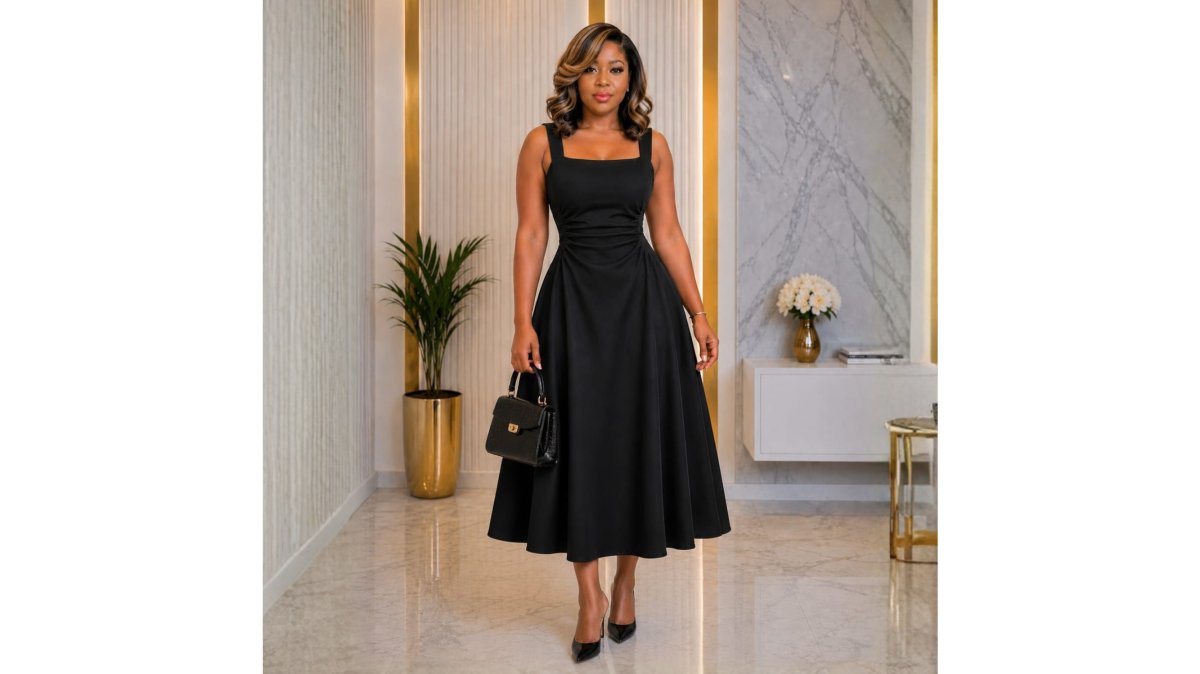
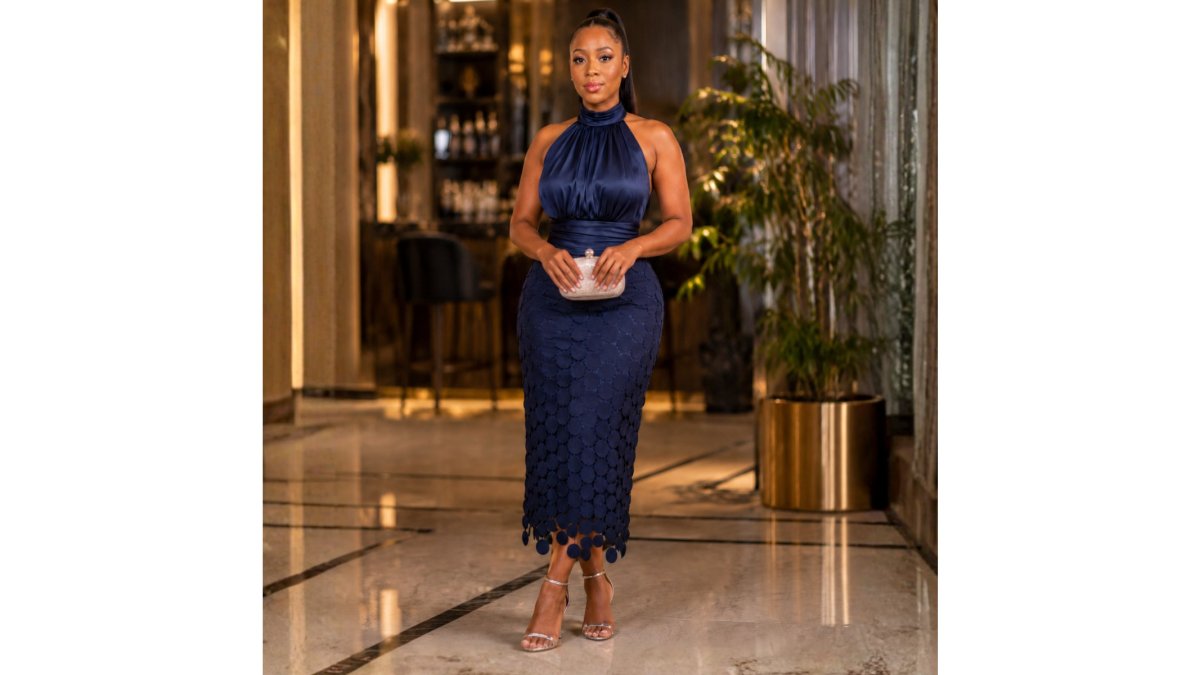
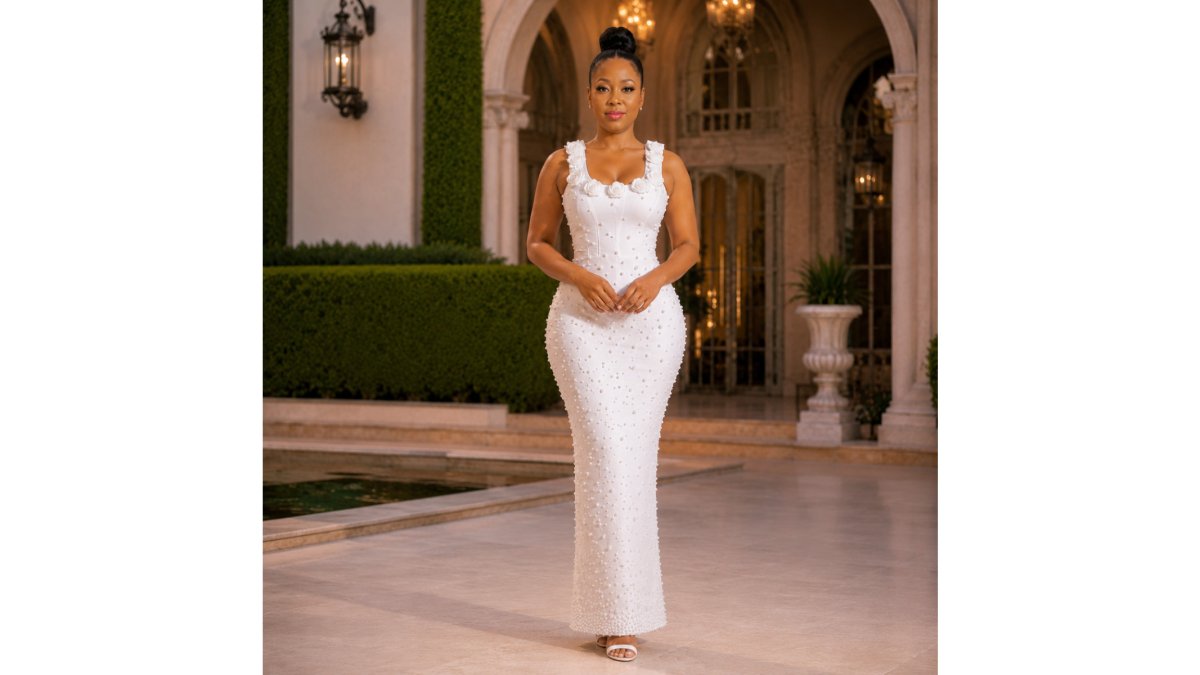
At EllaVerra Boutique, we help you find the right dress for your occasion. Our collection includes classic styles like The Soraya Gown, which features an elegant open-back silhouette with guipure lace, perfect for galas and milestone celebrations. For those seeking romantic elegance, The Ondine Gown offers hand-set pearl embellishments and a structured corset bodice. If you prefer timeless sophistication, the Scarlet Elegance Off-Shoulder Satin Gown delivers Old Hollywood glamour with luxe satin and graceful drape. Each dress is designed with quality construction and premium materials.
Spotting high quality formal dresses online protects your investment and ensures you look your best. Examining photos carefully, verifying seller legitimacy, and understanding sizing prevents costly mistakes. When you shop with EllaVerra Boutique, you get curated styles designed for sophistication and quality construction. Start with our size chart, review customer photos, and choose a dress that matches your occasion and body, then you'll feel beautiful the moment you put it on.
Federal Trade Commission guidelines on online shopping
Better Business Bureau tips for online retail safety
Consumer Reports guide to evaluating product authenticity
Frequently Asked Questions
How can you tell if a formal dress is well made from product photos?
Look for sharp, even stitching in seams and hems, consistent thread color, and clean fabric edges. Examine close-up photos for loose threads, puckering, or uneven seams. Check how the fabric drapes and whether embellishments like beads or lace are hand-applied or machine-sewn. Quality dresses show multiple angles and detailed shots that reveal construction integrity. Avoid listings with only full-length photos that hide seam and hem details.
What fabric should I look for in a high-quality formal dress?
Premium formal dresses use natural fibers like silk, satin, or cotton blends that drape elegantly and feel soft. Polyester and synthetic blends can work well if they're high-density and specifically designed for formal wear, but cheap polyester feels stiff and looks plastic-like. Check the product description for fiber content and weight. Heavier, structured fabrics hold their shape better than lightweight materials. Liquid satin and guipure lace are hallmarks of quality evening gowns.
What should I check in a formal dress store's return policy?
Verify the return window (aim for at least 30 days) and whether returns are free or have restocking fees. Check if the dress must be unworn and unwashed, and whether alterations affect eligibility. Look for clear shipping refund terms. Reputable boutiques offer straightforward return policies without hidden fees. Always screenshot the policy before purchase and keep your order confirmation. Ask about exchanges if the dress arrives in the wrong size or color.
How do I choose the right size when buying a formal dress online?
Measure yourself using the retailer's formal dress size chart and measurements, measuring bust, waist, and length from shoulder to floor. Compare your measurements to the chart rather than assuming your usual size. Account for vanity sizing by reading customer reviews that mention fit. If reviews say a dress runs small, size up. Check whether the dress has adjustable straps or a corset back for flexibility. Order from retailers that offer free returns so you can exchange if the fit isn't right.