Dresses with Pockets for Formal Occasions: 2026 Guide
Table of Contents
- Why Dresses with Pockets for Formal Occasions Are a Game-Changer
- What to Wear to a Gala: Pocketed Gowns That Fit the Dress Code
- Modest Evening Gowns with Pockets: Elegance Without Compromise
- Cocktail Dresses with Pockets: Short, Chic, and Functional
- Long Satin Gowns with Pockets: Fabric Drape and Visual Weight
- Wedding Guest Dresses with Pockets: Navigating the Dress Code
- Formal Dress Accessories: Styling Your Pocketed Look
- Tailoring and Inclusive Sizing: Getting the Fit Right
- Sustainable Formal Wear: Pocketed Dresses with a Conscience
- Frequently Asked Questions
Last Updated: September 19, 2026
Why Dresses with Pockets for Formal Occasions Are a Game-Changer
Dresses with pockets for formal occasions solve a problem that has quietly frustrated women for decades: looking elegant without a clutch glued to your hand all night. At EllaVerra Boutique, we offer custom design services that can incorporate real pockets into your gown. The demand is simple, and the payoff is bigger than most shoppers expect.
Think about how a formal evening actually unfolds. You hold a drink, greet people, take photos, and balance a plate at cocktail hour. A clutch turns every one of those moments into a juggling act. A discreet pocket keeps your phone, lipstick, and key card close without breaking the line of your silhouette.
The best part? Modern garment construction has caught up with the request. Designers now cut seam pockets into structured bodices and flowing skirts without adding bulk. The result is a gown that photographs beautifully and works like a piece of clothing should.

Pocket Depth and Utility: What to Look For
Pocket depth is the detail most shoppers never check, and it decides whether a pocket is useful or decorative. A seam pocket needs roughly 4 to 5 inches of depth to hold a phone securely. Anything shallower will let items slip out the moment you sit down.
Here is what separates a functional pocket from a fake one:
- Depth: At least 4 inches, measured from the opening to the bottom seam
- Placement: Set into the side seam, angled slightly forward for easy reach
- Reinforcement: Bar tacks at the opening so the fabric does not tear with use
- Lining: A lightweight lining inside the pocket stops items from snagging
- Discretion: The pocket should lie flat against the hip, not pucker
What to Wear to a Gala: Pocketed Gowns That Fit the Dress Code
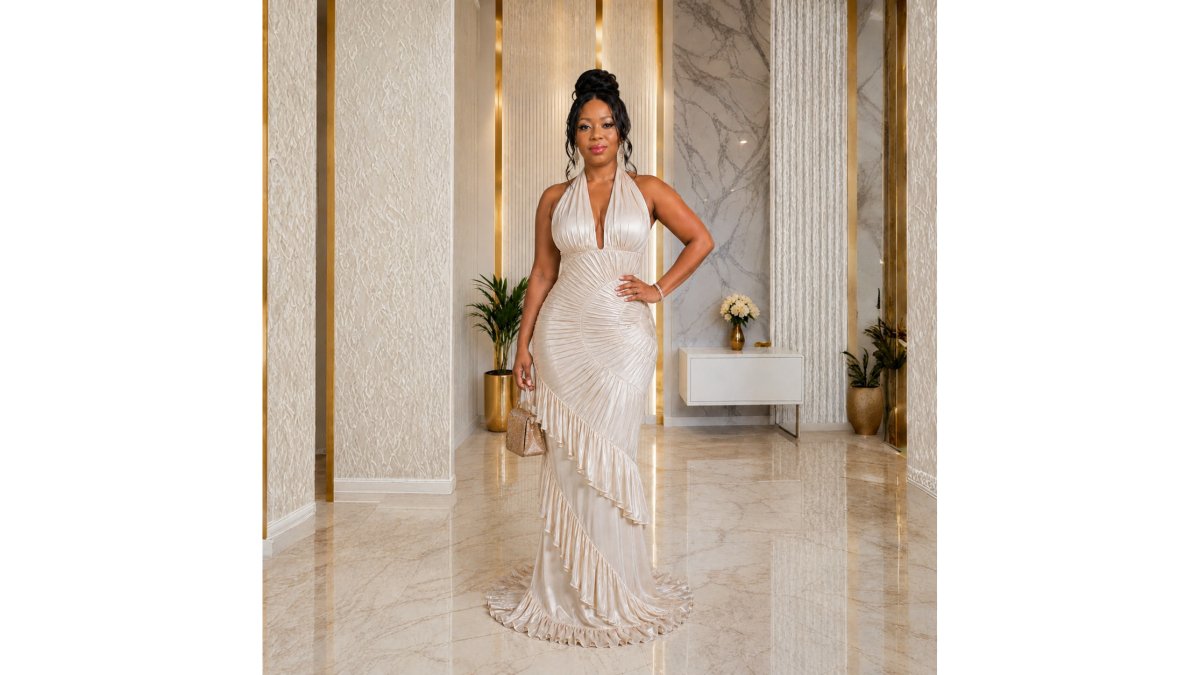
What to wear to a gala comes down to one rule: match the formality of the invitation, then add your own polish. A floor-length gown in a rich fabric reads as black tie. A knee-length style in a structured fabric reads as cocktail. Get the length and fabric right, and everything else falls into place.
The dress code on the invitation is your first clue. "Black tie" means a long evening gown or a formal cocktail dress. "Cocktail" means midi or knee-length. "Formal" sits between the two and gives you room to choose.
For a gala, a pocketed A-line or column gown works especially well. Both silhouettes hang cleanly, so a seam pocket stays invisible. Skip heavy embellishment around the hips if you want the pocket to disappear into the design.
Black-Tie vs. Cocktail: Choosing the Right Silhouette
Black tie calls for a floor-length gown, often in satin, crepe, or velvet. Cocktail calls for a shorter hemline and a lighter fabric. The silhouette should follow the event, not fight it.
| Dress Code | Best Length | Recommended Silhouette | Fabric Weight |
|---|---|---|---|
| Black tie | Floor-length | Column or A-line | Heavy satin, crepe |
| Formal | Floor-length or midi | A-line or fit-and-flare | Satin, chiffon |
| Cocktail | Midi or knee-length | Sheath or fit-and-flare | Crepe, taffeta |
| Semi-formal | Midi | Sheath or wrap | Chiffon, jersey |
Modest Evening Gowns with Pockets: Elegance Without Compromise
Modest evening gowns with pockets prove that coverage and style are not opposites. A high neckline, long sleeves, and a flowing skirt can look every bit as striking as a strapless design. The key is the fabric and the cut, not how much skin you show.
Many shoppers tell us the modest options they find elsewhere look dated or cost more than they should. At EllaVerra Boutique, our modest clothing collection is built around exactly this idea. Coverage should never mean compromise on sophistication. That complaint usually comes down to construction. A modest gown needs a well-fitted bodice and a skirt that drapes rather than clings. When those two things are right, the dress feels current and elegant.
Look for these features in a modest formal gown:
- A defined waistline that gives the eye a focal point
- Sleeves cut from the same fabric as the bodice for a seamless look
- A skirt with enough volume to move well as you walk
- A modest neckline balanced by a detailed sleeve or back
At EllaVerra Boutique, our modest clothing collection is built around exactly this idea. Coverage should never mean compromise on sophistication.
Cocktail Dresses with Pockets: Short, Chic, and Functional
Cocktail dresses with pockets are the most practical choice for a party gown you will actually wear again. A shorter hemline means more movement, and a pocket means you can leave the clutch at home. This is the category where function and style meet most easily.
For a cocktail dress, a fit-and-flare or sheath silhouette hides a pocket best. A-line works too, as long as the skirt has enough structure to hold its shape. Avoid clingy jersey if you want a pocket that stays invisible, since thin fabric shows every seam.
guidance on dress codes and formal attire from the Emily Post Institute can help you match the dress to the invitation before you shop.
Long Satin Gowns with Pockets: Fabric Drape and Visual Weight
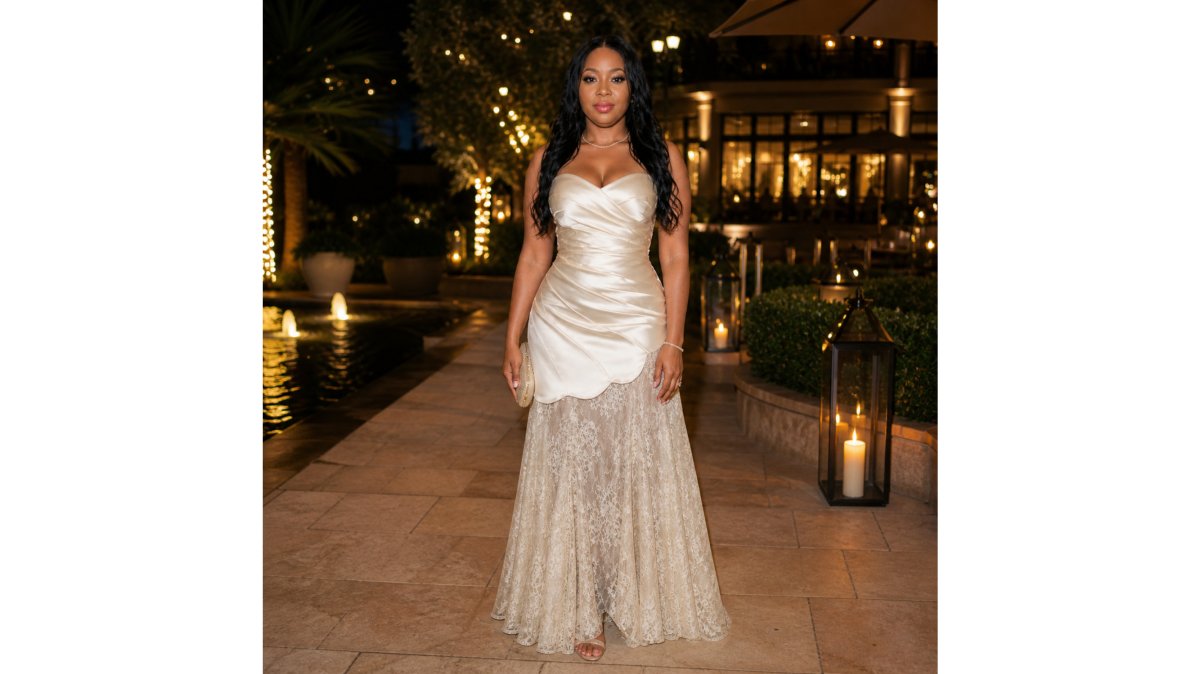
Long satin gowns with pockets live or die by fabric drape. Satin is heavy and reflective, which means every seam shows. A poorly placed pocket will read as a lump. A well-placed one disappears into the side seam and adds function without cost.
Visual weight matters here. Satin catches light, so a pocket that adds bulk at the hip will draw the eye exactly where you do not want it. The fix is a pocket set into a princess seam or a side seam with a slight forward angle. This keeps the opening off the widest part of the hip.
Fabric choice also affects how the gown moves. A heavier satin holds a structured silhouette well but shows creases. A lighter satin drapes softly but needs a lining to keep the pocket from showing through. If you want the best of both, look for a satin with a matte finish and a full lining.
Wedding Guest Dresses with Pockets: Navigating the Dress Code
Wedding guest dresses with pockets give you a place for your phone, your lipstick, and a tissue for the ceremony. The trick is matching the formality of the wedding without upstaging the couple. A pocketed midi or maxi dress in a muted color hits that mark almost every time.
Start with the venue. A garden or beach wedding allows a lighter fabric and a shorter hemline. A ballroom or formal venue calls for a longer gown and a richer fabric. The invitation usually tells you which one you are walking into.
Then think about the couple's style. A formal black-tie wedding means a floor-length gown. A relaxed celebration means you can wear a midi dress in a softer fabric. When in doubt, lean slightly more formal. It is far easier to dress down a formal look than to dress up a casual one.
Formal Dress Accessories: Styling Your Pocketed Look
Formal dress accessories should support the gown, not compete with it. When your dress has pockets, you can skip the clutch entirely and let your jewelry and shoes carry the look. This frees up your hands and keeps the silhouette clean.
Here is how to build a polished look around a pocketed gown:
- Jewelry: Choose one statement piece, such as a bold earring or a delicate necklace, not both
- Shoes: Match the formality of the hemline; a floor-length gown hides the shoe, so comfort wins
- Wrap: A simple pashmina or shawl adds warmth without hiding the bodice
- Hair: An updo shows off an off-the-shoulder or detailed neckline
- Bag: If you still want one, choose a small wristlet that fits inside your pocket when you are done with it
The pocket changes the accessory math. You no longer need a bag big enough for your essentials, so you can choose accessories purely for style.
Tailoring and Inclusive Sizing: Getting the Fit Right
Inclusive sizing is not a marketing line. It is the difference between a gown that hangs well and one that pulls at the chest or drags on the floor. A dress with pockets adds one more variable: the pocket has to sit at the right height for your body, not a standard size chart.
Most formal gowns need at least one alteration. A hem adjustment is the most common, followed by a bodice adjustment at the bust or waist. When a gown has pockets, tell your tailor about them before any work begins. A hem that shortens the skirt can shift the pocket position, and a bodice adjustment can change how the pocket lies.
guidance on garment fit and alterations from the Council of Fashion Designers of America offers useful context on how formal wear is constructed and fitted.
A few fit checks to run before you buy:
- Raise both arms; the pocket should not pull the side seam
- Sit down; the pocket opening should stay flat against your hip
- Walk a few steps; the skirt should move without dragging the pocket out of place
- Check the bust and waist; a gap or pull here will only get worse after alterations
Sustainable Formal Wear: Pocketed Dresses with a Conscience
Sustainable formal wear starts with one question: will you wear this again? A gown you wear once and never touch again is the least sustainable purchase in your closet. A well-made pocketed dress in a classic silhouette earns its place because it works for more than one event, and because it can be altered to fit you for years rather than replaced when your size changes.
That last point is the angle most sustainable-fashion advice misses. The most sustainable gown is not the one made from the trendiest fiber; it is the one a tailor can take in, let out, and re-hem without destroying the structure. Pockets are part of that structure, and they are the first thing a careless alteration ruins.
How tailoring affects pocket structure, and garment lifespan
When a tailor shortens a skirt, the side seam moves up, which can drag the pocket opening out of position at the hip. When a tailor takes in a bodice, the side seam shifts inward, which can pull the pocket mouth tight against the body and make it unusable. Both are fixable, but only if the tailor knows the pocket is there before the work begins.
A few practical rules that keep a pocketed gown alterable for years:
- Tell your tailor about the pockets before any work starts. Ask them to preserve the pocket bag and re-set the opening at the natural hip line after the alteration.
- Ask for a hem that preserves the pocket depth. If shortening the skirt would cut into the pocket bag, the tailor can re-cut and re-stitch the bag rather than removing it.
- Request a bar tack at the pocket opening if the original does not have one. It costs very little and prevents the fabric from tearing at the stress point over years of use.
- Keep the original fabric swatch that comes with many formal gowns. If a future alteration needs to patch or extend the pocket bag, matching fabric is nearly impossible to source later.
- Avoid aggressive waist suppression on a pocketed gown. Taking in more than about an inch at each side seam usually distorts the pocket angle and cannot be reversed.
Fabric choice and cost per wear
Fabric matters for longevity, but the honest answer is more nuanced than "natural fibers good, synthetics bad." Silk, wool, and cotton do break down more readily at end of life, and they often drape better for formal wear. But a well-constructed polyester crepe can outlast a poorly made silk gown by years, because it resists creasing, holds color, and does not snag as easily. The fiber matters less than the construction: a full lining, finished seams, and a reinforced pocket will keep a gown in rotation far longer than the label on the fiber content.
The pocket is part of this story. A dress with functional pockets is a dress you can actually wear to dinner, a party, or a milestone birthday celebration without needing a bag. The more often you wear it, the lower its cost per wear, and the less you need to buy something new.
Frequently Asked Questions
Are dresses with pockets considered appropriate for black-tie events?
Yes, pocketed formal dresses can be entirely appropriate for black-tie events when the pockets are discreetly integrated into the garment construction. Look for seam pockets or hidden pockets that do not add bulk or disrupt the silhouette. The key is choosing a gown where the pockets are functional yet invisible, allowing you to carry small essentials without a clutch while maintaining the elegance required for black-tie attire. Many designers now incorporate pockets into evening gowns without compromising sophistication.
How do you style a formal gown with pockets without adding bulk?
To avoid bulk, choose gowns with discreet pockets made from lightweight lining fabric and positioned along the side seams. Avoid placing bulky items like phones or wallets in the pockets; instead, use them for lipstick, a handkerchief, or a key card. Keep accessories minimal: a pair of elegant earrings, a delicate bracelet, and strappy heels. Let the gown's silhouette remain the focus. For modest evening gowns with pockets, ensure the fabric drape is smooth and the pockets lie flat against your body.
What are the best fabric types for formal dresses with pockets?
Fabrics with good drape and structure work best for pocketed formal dresses. Satin, crepe, and taffeta hold their shape while allowing pockets to be sewn in without sagging. Heavier fabrics like velvet can support pockets well but may add visual weight. For a flattering fit, choose fabrics that skim rather than cling, and ensure the pocket bags are made from a lightweight lining material to prevent bulging. Always check that the pocket placement aligns with your natural hip line for a seamless look.
Can you find modest formal dresses that include hidden pockets?
Absolutely. Many modest evening gowns with pockets are designed with higher necklines, longer sleeves, and floor-length hemlines while still incorporating discreet pockets. These dresses offer coverage without sacrificing practicality. When shopping, look for styles with side seam pockets or hidden pockets in the skirt. Brands that specialize in modest formal wear often prioritize functional design, so you can find elegant options that let you skip the clutch and keep your essentials close.